Single acting hydraulic cylinders appear in more industries and applications than most engineers realise. Their reputation as the simple option understates their capability — the single acting principle covers an enormous range of forces, sizes, and configurations that handle some of the heaviest and most critical lifting, pressing, and clamping work in modern industry. This guide maps the major application sectors and explains what makes single acting the preferred choice in each.
Construction and Civil Engineering
Construction is one of the highest-volume application areas for single acting hydraulic cylinders. Hydraulic jacks for slab lifting, shoring struts for trench safety, bridge deck jacking for bearing replacement, and tunnel segment erectors all rely on single acting cylinders where the load weight provides reliable return force. The simplicity of the single-line circuit is especially valued on construction sites where circuit complexity increases failure risk in harsh outdoor conditions.
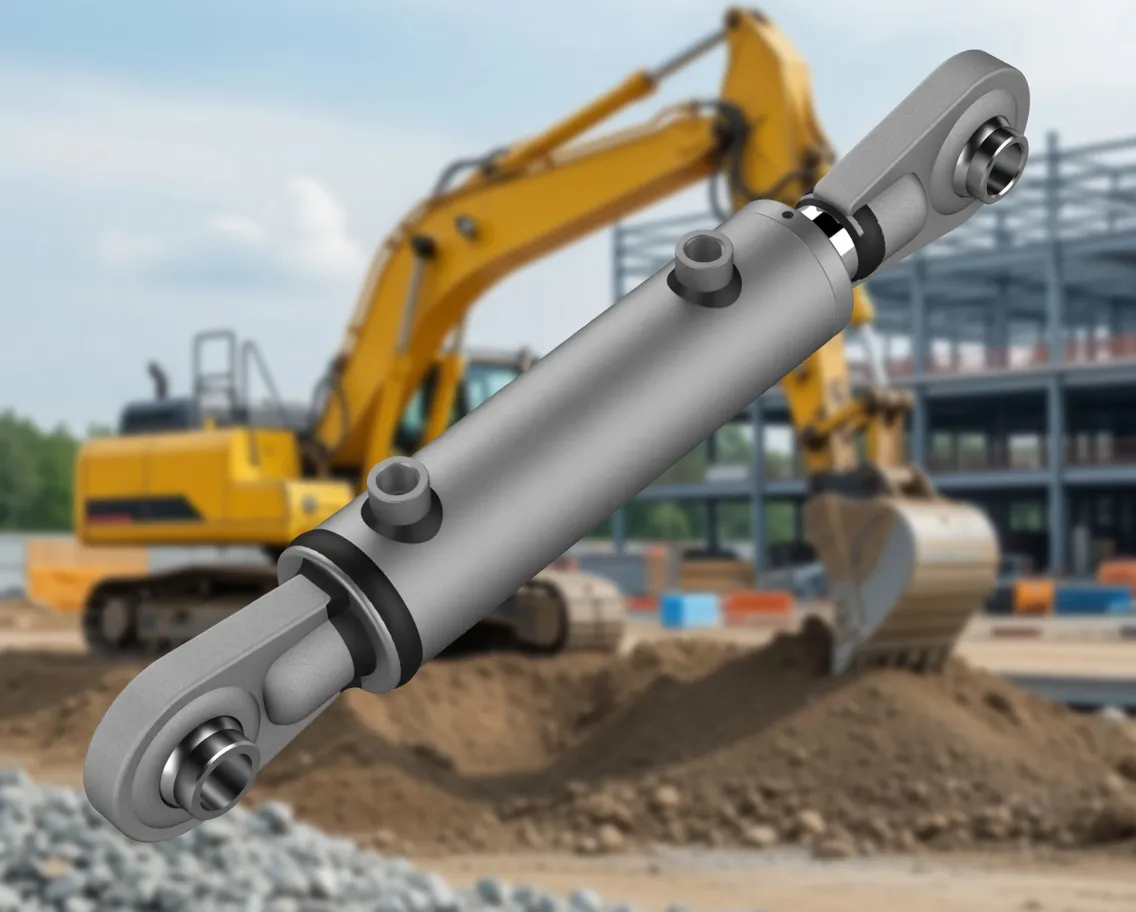
High-tonnage applications — 100, 200, and 500-tonne jacks used for structural load testing and bridge jacking — are almost exclusively single acting hollow plunger cylinders. The hollow bore allows a tension rod or bolt to pass through the cylinder body, a geometry only possible with the single-acting plunger configuration.
Agricultural Machinery
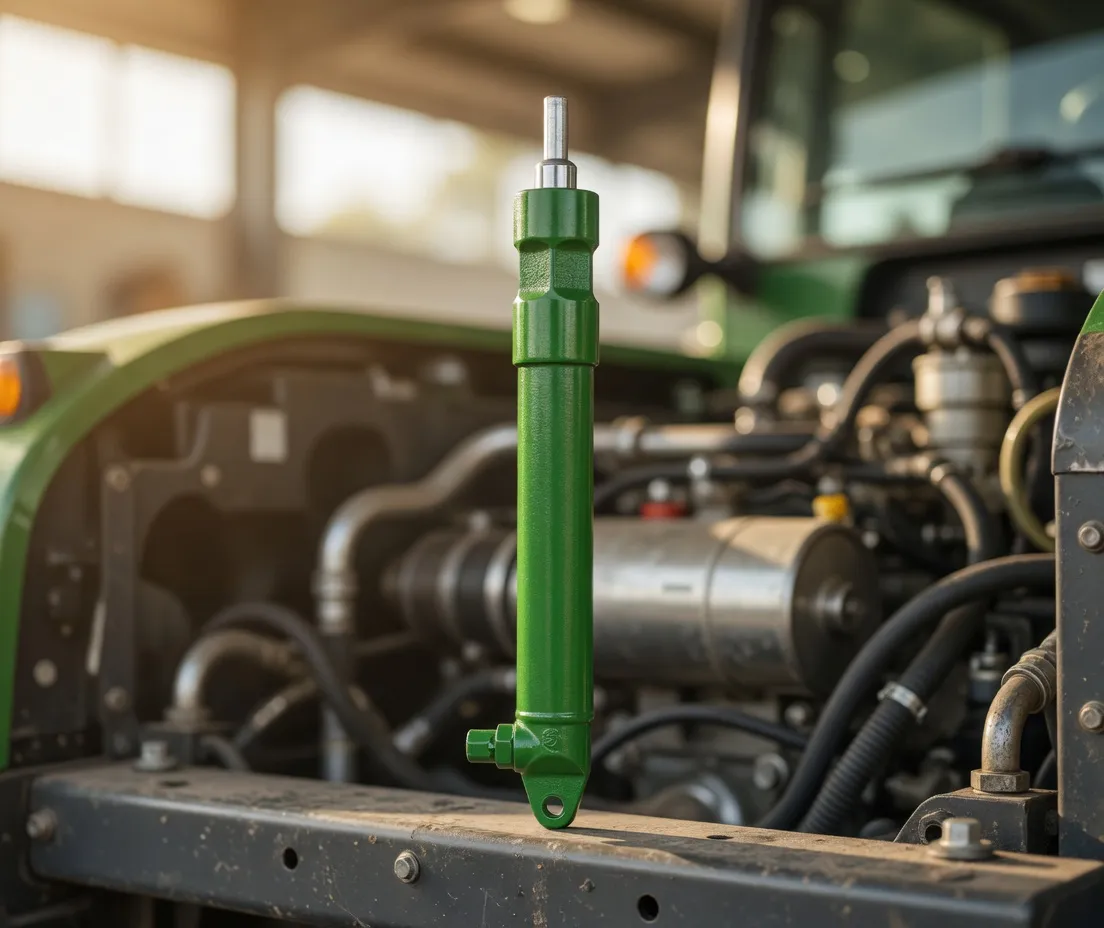
Agriculture relies on single acting cylinders across virtually every hydraulic function where the implement weight provides return force. Three-point hitch lifting is the universal example — the tractor pump pushes the hitch arms up, and gravity lowers them when pressure is released. Grain tank lifting cylinders for combine harvesters, seed drill depth control, and bale ejectors on round balers all follow the same principle. The compact, purpose-designed single acting cylinder handles each farm machinery function with a matched stroke, bore, and mounting geometry.
Transportation: Dump Trucks and Tipper Gear
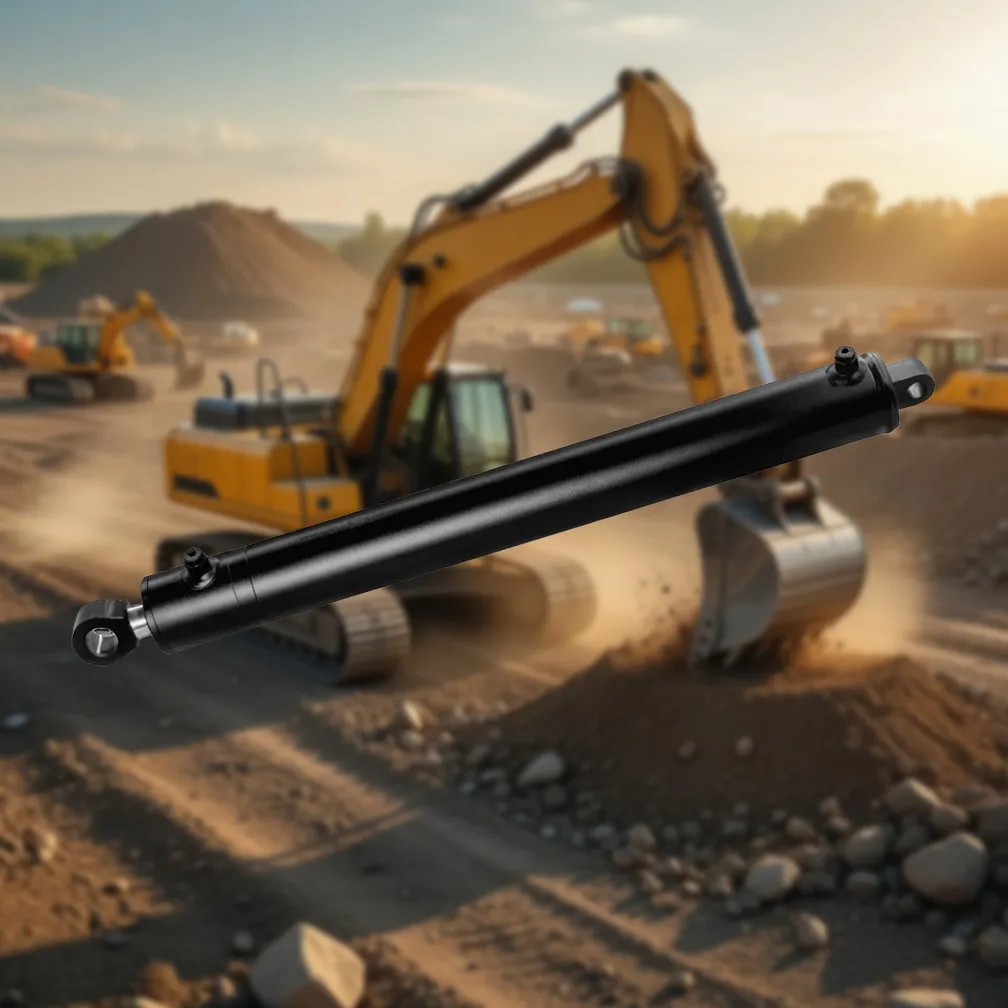
Multi-stage telescopic single acting cylinders are the standard actuator for dump truck tipping bodies worldwide. A three- or four-stage telescopic cylinder collapses into a compact length that fits below the truck chassis, then extends to several metres of stroke when tipping the body. The loaded body weight provides reliable gravity return when the load is discharged. This application demands cylinders with hardened steel stages, precision-machined stage overlaps for smooth sequential extension, and robust wiper seals that withstand abrasive road environments.
Refuse collection truck bodies, tipper trailers, and hook-lift container systems use the same telescopic single acting principle at varying tonnage and stroke requirements.
Manufacturing: Presses, Clamps, and Tooling
Stamping presses, hydraulic press brakes, and metal forming machines use single acting cylinders where the tooling weight or a return spring provides retraction after the forming stroke. C-frame presses for bearing installation and removal use hollow plunger single acting cylinders that allow the work part to pass through the cylinder body. Workpiece clamping fixtures on machining centres use spring return single acting cylinders that clamp when pressurised and spring open when pressure is released — providing a built-in fail-safe.
Materials Handling
Scissor Lift Platforms
Single acting cylinders extend to raise the platform; platform weight lowers it. The compact collapsed height matches the low profile needed when the platform is at floor level.
Dock Levellers
Bridge plates at loading bays raise on single acting cylinders and lower by gravity onto the truck bed. High cycle duty requires robust wiper seals and port sizing for fast extension.
Forklift Mast Cylinders
The inner mast free-lift cylinder on a forklift is single acting — load weight lowers the forks when the control lever is moved to descent.
Waste Compactors
Single acting cylinders push compactor plates against refuse. Spring return or gravity provides retraction between compaction cycles. High-cycle duty with abrasive debris makes seal quality critical.
Oil, Gas, and Civil Engineering
Wellhead hydraulic tools, pipeline pig launchers, and valve actuators in oil and gas installations commonly use single acting cylinders where spring or spring-loaded mechanism return is available. The single-line circuit simplifies subsea umbilical design — one hydraulic line versus two reduces umbilical diameter, cost, and failure points. Bridge jacking for bearing replacement and structural load testing for building certification are among the most demanding single acting cylinder applications, with forces of 500 tonnes or more and safety factors of 4:1 or higher.
Request a Free Specification Review
Send your application details to [email protected] or call +86-571-88220653. Our engineers respond within 24 hours.