Description
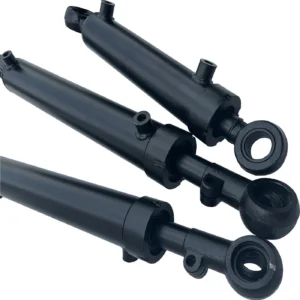
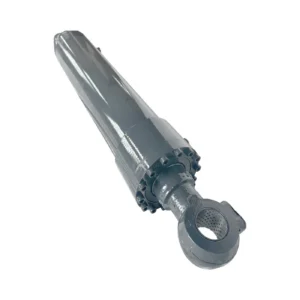
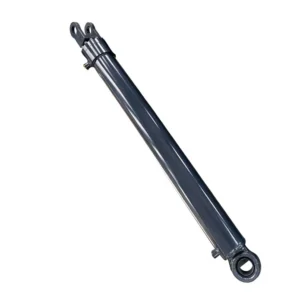
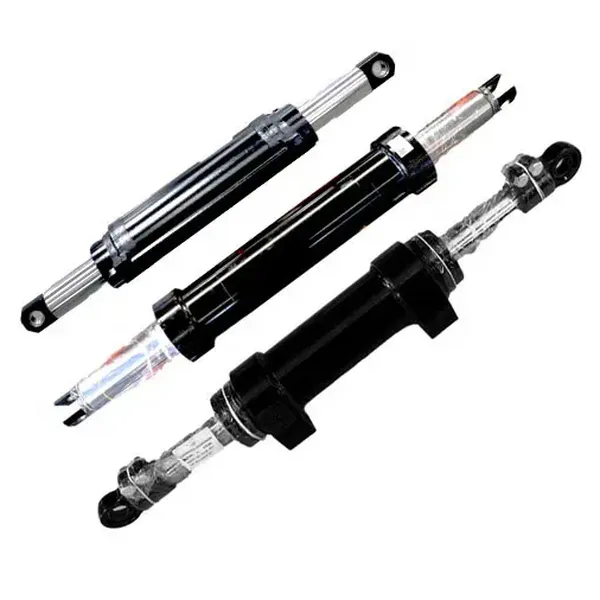
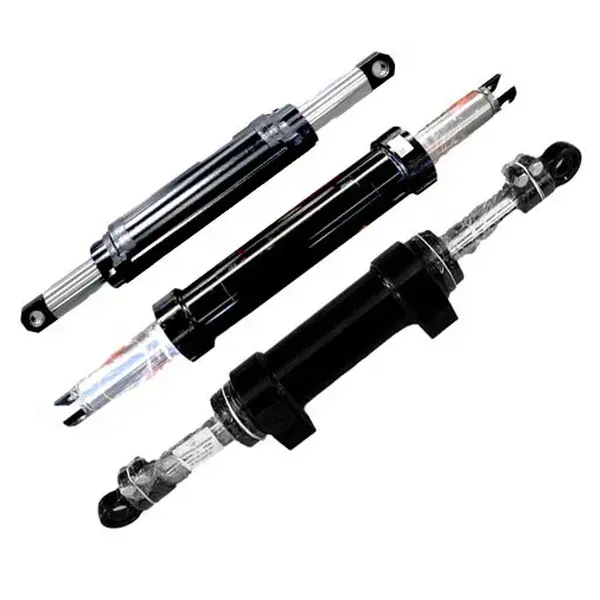
Tractor and Forklift Steering Cylinder — Agricultural and Industrial Cross-Platform Design
Steering hydraulic cylinders in tractors and agricultural forklifts share a common design requirement: they must handle combined loading — the cylinder’s axial thrust is accompanied by radial loads from the axle steering geometry and the uneven ground surface forces that agricultural machines encounter. A cylinder designed only for axial loading will develop excessive rod guide wear and accelerated rod seal damage when subjected to these combined loads. This cylinder uses a reinforced rod guide bearing and a load-rated rod seal design to accommodate the combined loading profile of agricultural and industrial vehicle steering applications.
Specifications
| Parameter | Value | Notes |
|---|---|---|
| Type | Double-acting | Powered left and right steering |
| Application | Tractor and forklift rear-steer axles | Agricultural and industrial |
| Rod Guide | Reinforced bearing material | Handles radial side loads |
| Seal System | Load-rated composite seal | Axial + radial combined loading |
| Rod | Heavy chrome build | Extended service in field/outdoor environments |
| Mounting | Clevis / pin, specify geometry | Agricultural or industrial mounting pattern |
| Environment | Outdoor, mud, dust, water splash | IP65 equivalent external protection |
Combined Loading: The Agricultural Steering Cylinder Challenge
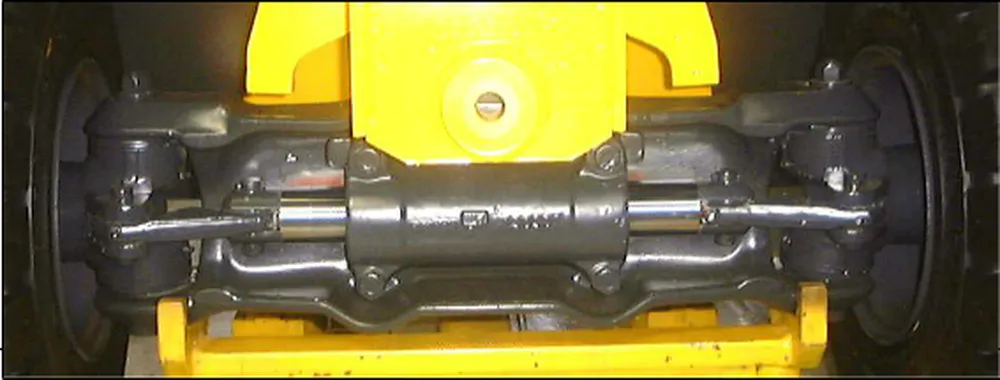
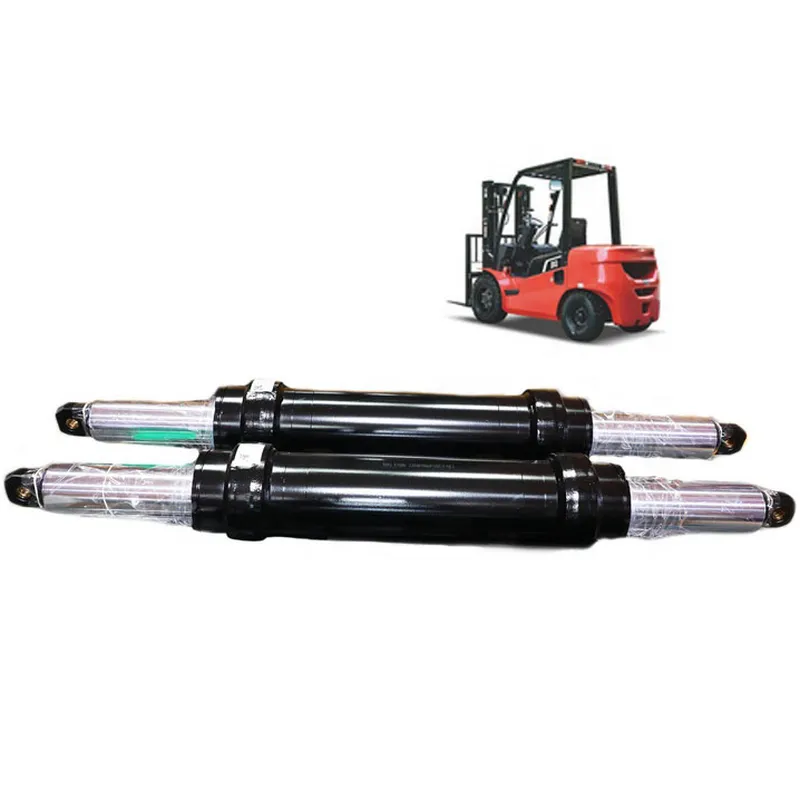
When an agricultural tractor steers across uneven ground, the front axle articulates vertically as well as laterally. This generates a bending moment at the steering cylinder rod that varies with the terrain profile. In a conventional cylinder without adequate rod guide bearing capacity, this moment is reacted entirely by the gland bronze or PTFE guide, which develops localised wear on the contact arc. Over time, the worn guide allows the rod to contact the bore, scoring both surfaces and rapidly advancing seal failure. The reinforced guide in this cylinder distributes the bending reaction over a longer bearing length, reducing peak contact pressure and extending guide service life to match the seal replacement interval.
Performance Highlights
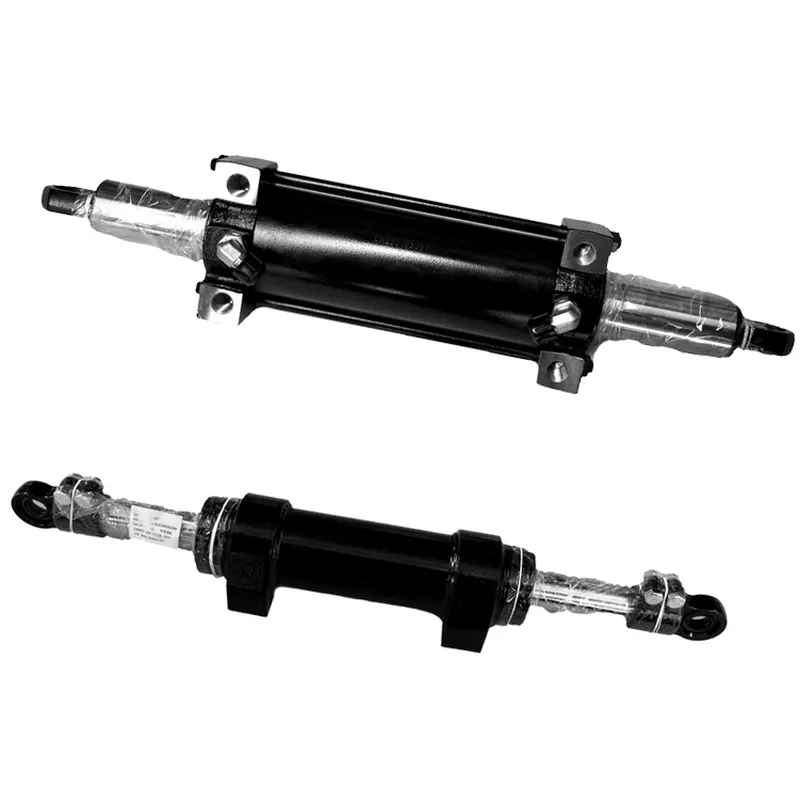
Built for the combined loading, contamination, and temperature cycling that field machinery imposes on steering components.
Extended bearing length handles bending moments from uneven terrain without accelerated guide wear.
Dual-lip rod wiper and external boot option protect the gland from mud, crop debris, and water ingress.
Available to match AGCO, CNH Industrial, Komatsu, and other agricultural machinery OEM steering specifications.
To request pricing for the tractor steering cylinder, custom specifications, or an OEM supply assessment, contact Hangzhou Ever-Power Hydraulic Cylinder Co., Ltd. at +86-571-88220653 or [email protected]. Our address is Shenhua Road, Hangzhou. Use the contact form for a response within one business day.