
The price of a single acting hydraulic cylinder varies by an order of magnitude depending on bore size, specification, and sourcing strategy — from under £40 for a small standard unit to several thousand pounds for a large custom cylinder. Understanding what drives hydraulic cylinder cost allows buyers to specify correctly for the application, avoid paying for unnecessary features, and source competitively without sacrificing the quality that determines long-term operating cost.
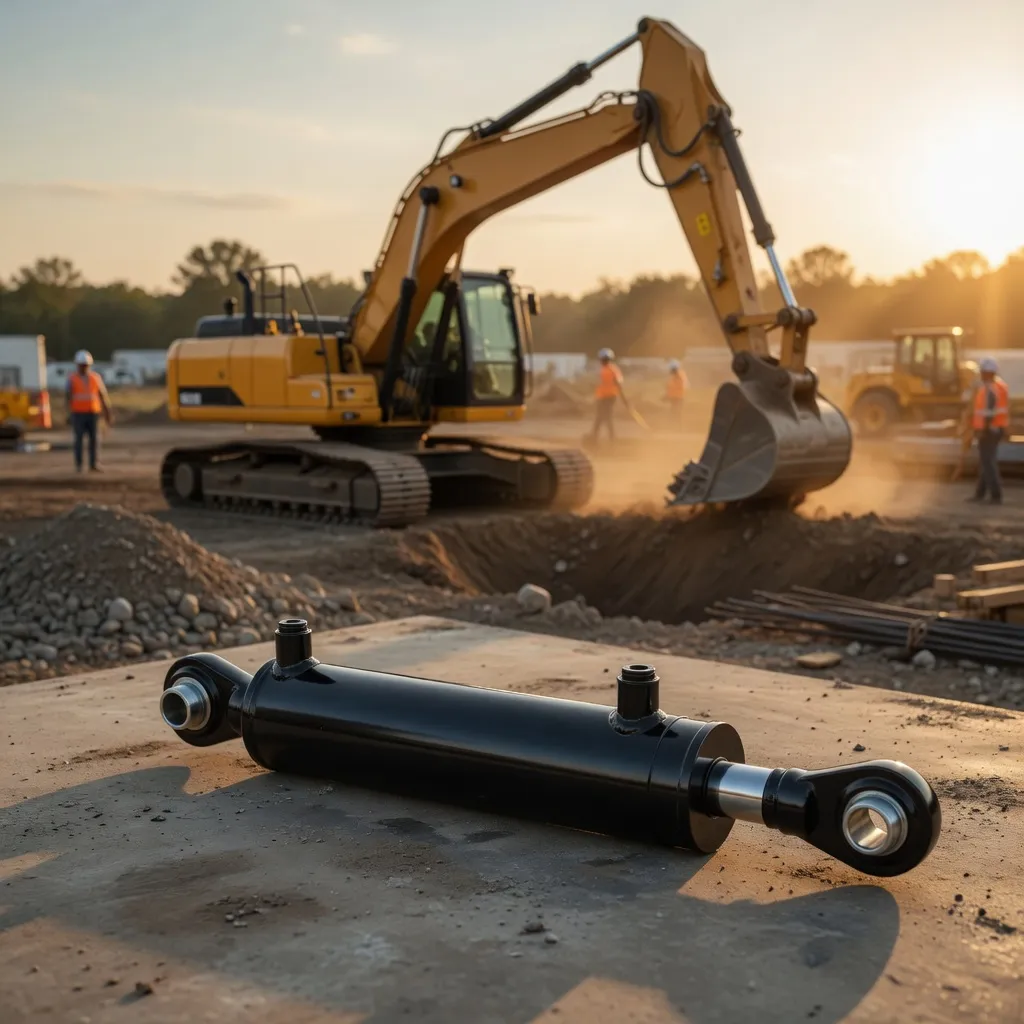
Price Ranges by Type and Bore Size
| Cylinder Type | Bore / Capacity | Approximate Price Range (GBP) | Notes |
|---|---|---|---|
| Standard piston, single acting | 25–50 mm bore | £30–£100 | Catalogue, standard stroke |
| Standard piston, single acting | 63–80 mm bore | £80–£200 | Common agricultural/industrial |
| Standard piston, single acting | 100–125 mm bore | £200–£500 | Medium industrial |
| Standard piston, single acting | 160–200 mm bore | £500–£1,500 | Heavy industrial |
| Telescopic, 3-stage, single acting | 100–150 mm first stage | £300–£800 | Dump truck / trailer |
| Telescopic, 4-stage, single acting | 120–180 mm first stage | £500–£1,500 | Long stroke tipping |
| Hollow plunger, single acting | 10–50 tonne capacity | £80–£400 | Jacking / bolt tensioning |
| Custom non-standard, single acting | Any bore / stroke | Price on application | 15–25 day lead time |
All prices are indicative and vary with exchange rates, steel prices, seal compound, and order quantity. The ranges above assume standard mineral oil compatible NBR or PU seal compounds and standard hard chrome plated steel rod. Stainless steel rod, FKM seals, or special surface treatments add to the base price.
The Six Cost Drivers: What You Are Paying For
Material cost scales roughly with bore area (r²). A 100 mm bore cylinder uses approximately 2.5× more barrel material than a 63 mm bore unit. Machining time scales similarly. Correct bore sizing from the force calculation avoids paying for a larger bore than the application requires.
Longer stroke requires more barrel and rod material. The manufacturing cost does not increase linearly with stroke — machining setup time is similar for short and long strokes — but material cost scales directly. Specifying the minimum stroke that meets the application requirement minimises material cost.
Higher pressure requires thicker barrel walls, heavier end caps, and stronger tie rods. A 31.5 MPa rated cylinder uses significantly more material than a 16 MPa unit of the same bore. Specify the pressure class that matches the system relief valve setting — over-specifying pressure wastes cost.
NBR (baseline) vs PU (+15–25%) vs FKM (+200–400%) vs PTFE-composite (+100–200%). For applications where the operating temperature is within NBR range, the premium compound is unnecessary cost.
Standard hard chrome is the baseline. Stainless steel rod adds 100–150% to rod cost but is essential for marine and chemical applications. HVOF thermal spray coating adds 80–120%. Specifying the correct treatment for the environment — not over-specifying for a benign indoor application — controls cost.
Single prototype units carry the full setup cost amortised over one unit. Production runs of 10+ units reduce unit price by 30–50% as setup cost is shared. If replacement cylinders are likely to be needed regularly, ordering spares with the initial batch significantly reduces the average cost per unit.
Total Cost of Ownership: The Metric That Matters
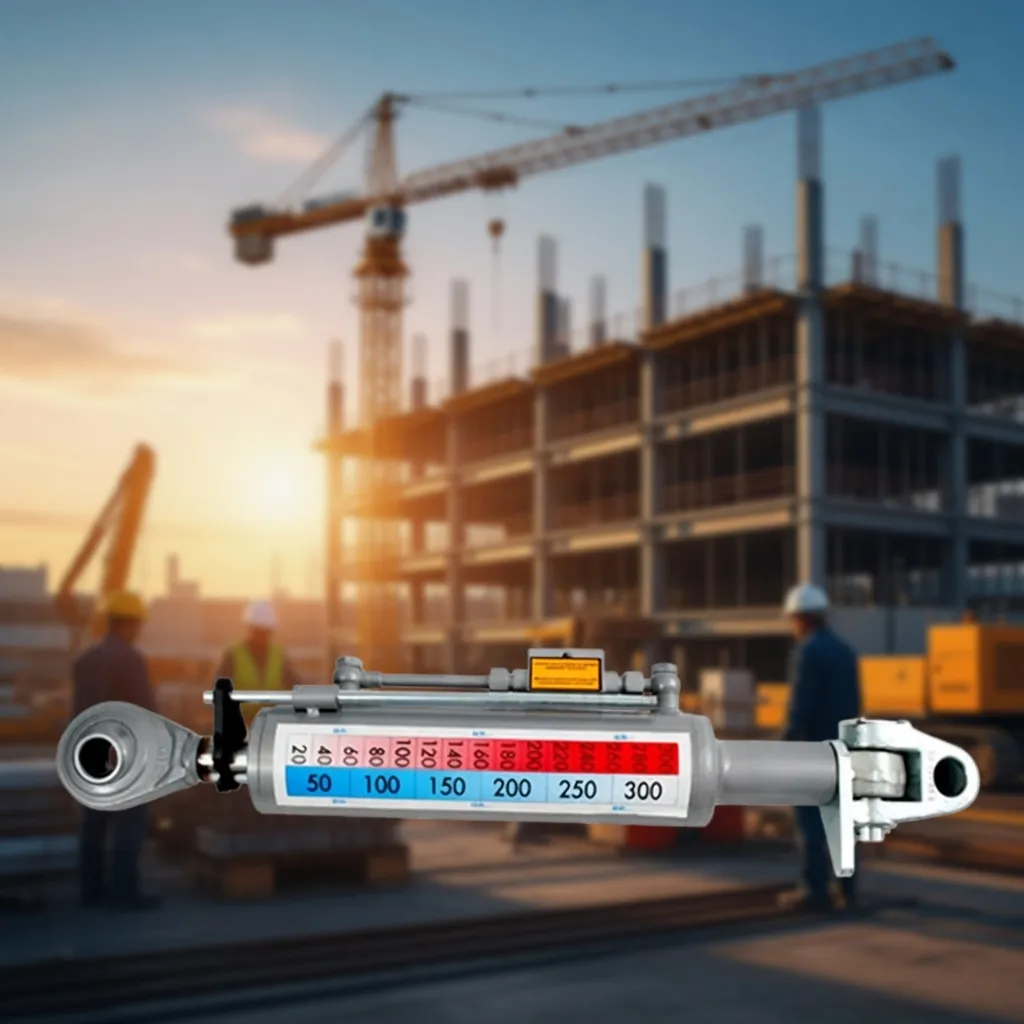
Purchase price is only one component of hydraulic cylinder cost. A cylinder that costs £80 but needs seal replacement every 6 months in a contaminated environment costs more per operating hour than a £180 cylinder with superior PU seals that lasts 3 years between services in the same environment. Evaluate total cost of ownership — initial price plus seal kit cost per replacement, plus downtime cost per failure, plus labour for each rebuild — over the expected service period. For high-cycle or remote-operation machinery where downtime is expensive, specifying a higher-quality cylinder is almost always the most cost-effective decision. Request a specification review from Ever-Power to confirm the optimum bore, seal compound, and surface treatment for your specific application and duty cycle before placing an order.
Single acting hydraulic cylinder cost is best evaluated on a per-operating-hour basis rather than as a unit purchase price. A single acting hydraulic cylinder costing 40% more than the cheapest available option but providing three times the seal life in a contaminated application costs 53% less per operating hour. The lowest single acting hydraulic cylinder cost over a machine’s service life comes from matching seal compound, rod surface treatment, and oil cleanliness to the actual operating conditions — not from buying the least expensive unit on a catalogue page.
When comparing single acting hydraulic cylinder prices across suppliers, always confirm that the quoted specification matches your requirement exactly — bore tolerance, rod chrome thickness, seal compound, and pressure test documentation are the four most commonly downgraded parameters in low-price quotations. A single acting hydraulic cylinder quoted at 40% below market price for the stated specification almost always has one of these four parameters reduced: thinner chrome (15 μm versus 25 μm), NBR seals instead of PU, bore tolerance H8 instead of H7, or no individual pressure test certificate. Confirm each parameter explicitly before accepting a price comparison as valid.
Request a Free Specification Review
Send your application details to [email protected] or call +86-571-88220653. Our engineers respond within 24 hours.