
The ability of a hydraulic cylinder to hold a load without continuous hydraulic pressure is one of the most important questions in any lifting, pressing, or clamping application. A raised load over a work area, a clamped workpiece, or a pressed joint all require the cylinder to maintain its position reliably — sometimes for minutes, sometimes for hours, and sometimes overnight. The answer depends not just on the cylinder itself, but on the hydraulic circuit that surrounds it and specifically whether a load-holding valve is installed.
Why a Cylinder Alone Cannot Reliably Hold a Load
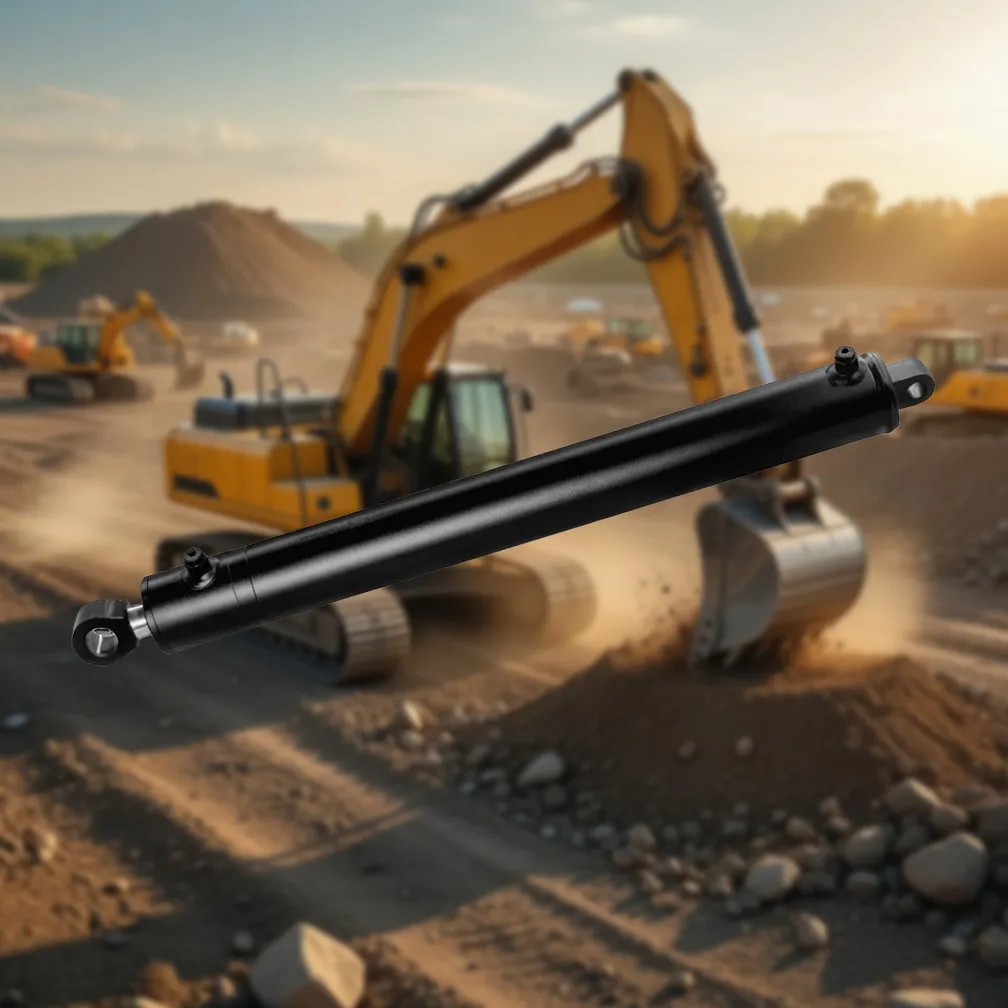
A hydraulic cylinder holds a load by trapping oil in the cap-end chamber — the load’s weight creates pressure in the oil, and that pressure acts on the piston to resist the load. But two leak paths exist that slowly drain this trapped oil: the piston seal, which has finite internal leakage as oil bypasses across the piston under the pressure differential; and the directional control valve spool, which also has finite leakage in the neutral (hold) position. Both leakage paths allow oil to escape the cap-end chamber slowly, reducing the pressure and allowing the load to push the cylinder rod in.
The rate of drift depends on the quality and condition of the piston seal and control valve. A new, clean cylinder with a fresh seal kit and a high-quality valve may drift only 0.5–1 mm per hour under a modest load — acceptable for many applications. An older cylinder with worn seals and a valve with high spool leakage may drift 5–10 mm per minute — unacceptable for any sustained load-holding application. The solution is not to expect the cylinder and valve to hold perfectly — it is to install a purpose-designed load-holding valve.
The Pilot-Operated Check Valve: The Standard Load-Holding Solution
A pilot-operated check valve installed directly at the cylinder cap-end port provides positive, mechanical oil trapping that is independent of piston seal condition and control valve leakage. The POCV’s check function physically blocks oil from leaving the cylinder until an active pilot pressure signal opens it. No drift is possible through a correctly seated POCV — the load is held as securely as if the cylinder were a rigid mechanical prop.
| Load-Holding Requirement | Recommended Solution | Notes |
|---|---|---|
| Static hold for seconds to minutes | Quality directional valve in neutral (centre blocked) | Acceptable for casual positioning, not for safety-critical hold |
| Static hold for minutes to hours, low safety risk | POCV at cylinder port + directional valve | Standard for most industrial and agricultural holding |
| Overnight or extended hold | POCV at cylinder port, tested before load is left unattended | Confirm POCV is functioning before leaving load |
| Personnel working beneath raised load | POCV + mechanical safety prop | Hydraulic holding alone is never sufficient for personnel safety — always use a physical prop |
| Load holding under varying or dynamic load | Counterbalance valve (not POCV) | Counterbalance valve suits dynamic conditions; POCV suits static |
POCV Installation: Where and How
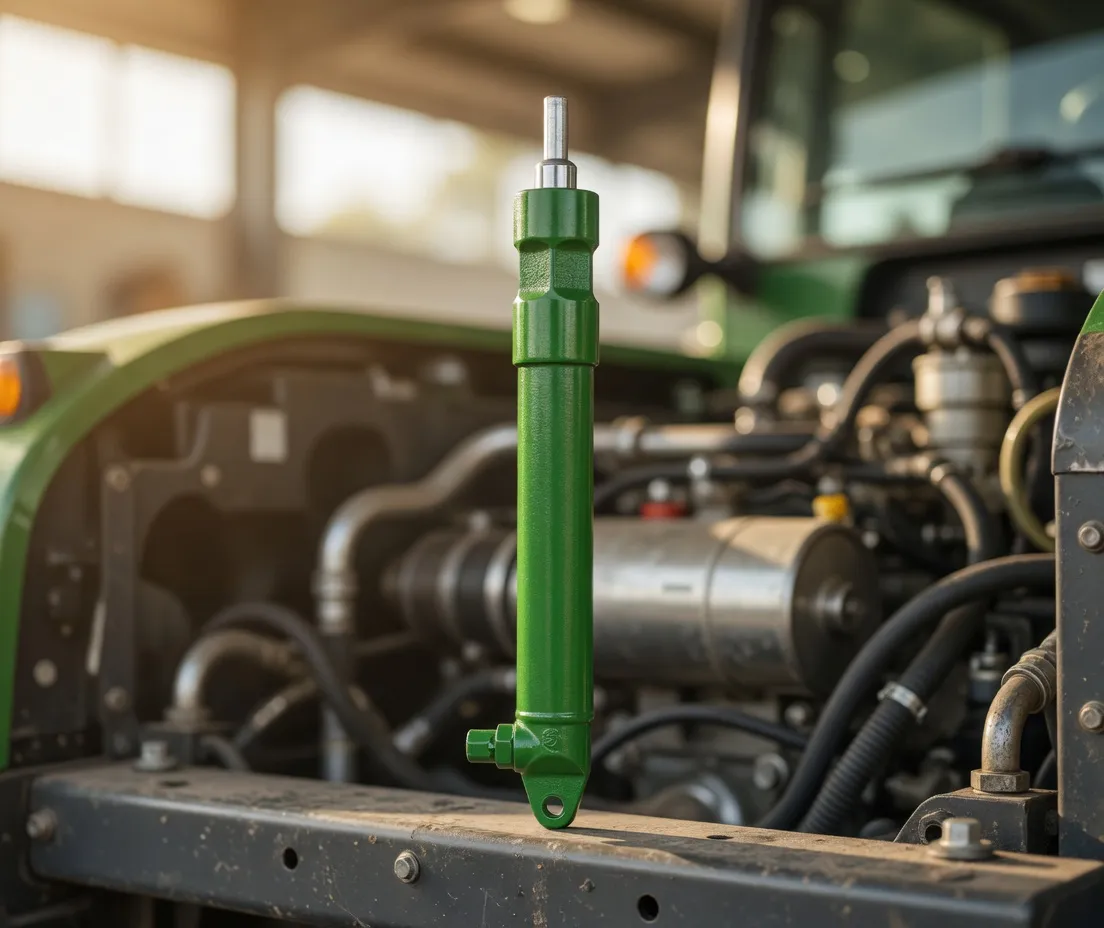
A POCV must be installed as close to the cylinder cap-end port as possible — ideally screwed directly into the cylinder port or mounted in a manifold bolted to the cylinder end cap. The shorter the hydraulic line between the POCV and the cylinder port, the less oil volume can escape before the POCV traps the load. A POCV installed 2 metres of hose away from the cylinder allows the volume of oil in those 2 metres to drain before the load is held — which for a 12 mm bore hose at 2 metres is approximately 200 ml of oil movement, representing meaningful rod movement on smaller cylinders.
For cylinders that will be used for overhead lifting or load-holding with personnel in the work zone, the POCV should be integral to the cylinder end cap — built into the cylinder body at manufacture rather than added externally. Ever-Power manufactures cylinders with integral load-holding valves to order for safety-critical applications. Contact the engineering team to discuss integral POCV cylinder specifications for your application.
Request a Free Specification Review
Send your application details to [email protected] or call +86-571-88220653. Our engineers respond within 24 hours.