
Hydraulic cylinder service life is one of the most variable performance characteristics across different applications and maintenance regimes. The same cylinder design — same bore, same seal compound, same steel — can last 25 years in one installation and require overhaul within 3 years in another. The difference is almost entirely in the operating conditions and maintenance quality rather than in the cylinder itself. Understanding what determines hydraulic cylinder life allows operators to set realistic expectations and take the actions that push actual service life toward the upper end of the possible range.
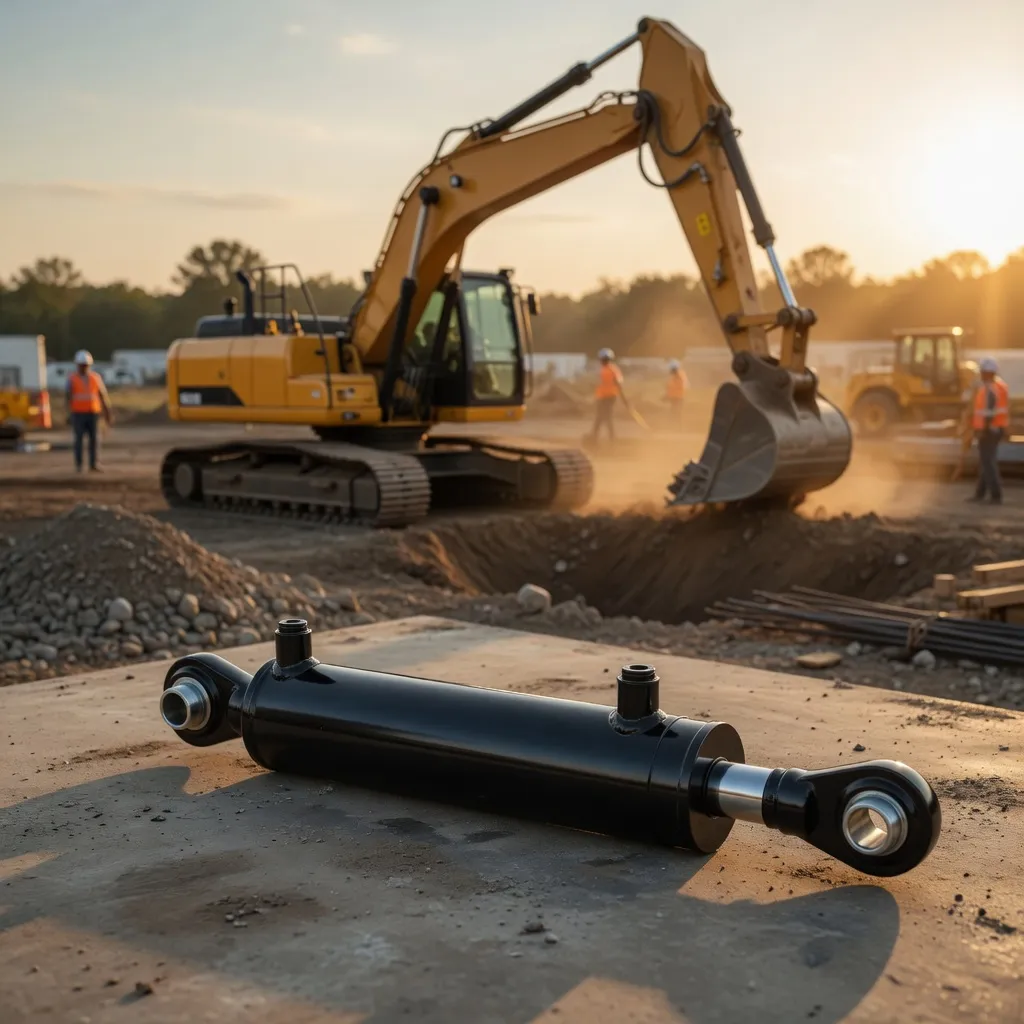
The Five Factors That Determine Hydraulic Cylinder Life
1. Oil Cleanliness
The single highest-impact factor. At ISO 16/14/11, seals and bore surfaces last their full design life. At ISO 20/18/15 — common in neglected field machinery — seal life is 50–70% shorter. Oil cleanliness is a management decision, not a luck-of-the-draw outcome.
2. Seal Compound Match
Correct seal compound for the operating temperature range prevents the premature hardening (cold) or extrusion (hot) that ends seal life early. PU for outdoor machinery to -30°C; FKM for high-temperature to 200°C; NBR for indoor climate-controlled only.
3. Rod Surface Protection
Chrome rod surfaces protected from corrosion and impact damage provide the smooth, hard surface that seals rely on. Retract rods in storage. Inspect and replace damaged wiper seals before they allow corrosion ingress.
4. Mounting Alignment
Side load — force perpendicular to the rod axis — concentrates seal wear at one point and reduces seal life disproportionately. Correct mounting alignment and spherical rod end bearings where needed eliminate this cause.
5. Duty Cycle
Cylinders in high-cycle applications accumulate seal compression cycles and rod surface contact cycles faster than low-cycle applications. At 200 cycles per hour, a cylinder accumulates 1.6 million cycles per year — requiring seal replacement well before 5,000 hours. At 5 cycles per hour, the same seal may last 5,000+ hours.
Expected Hydraulic Cylinder Life by Application
| Application | Typical First Overhaul (hours) | Full Asset Life with Rebuilds | Key Life-Limiting Factor |
|---|---|---|---|
| Static industrial press — clean environment | 10,000–15,000 | 40,000–60,000+ hrs | Bore tolerance from repeated honing |
| Agricultural machinery — field duty | 5,000–10,000 | 20,000–40,000 hrs | Rod corrosion and crop debris contamination |
| Construction machinery — outdoor | 3,000–7,000 | 15,000–25,000 hrs | Abrasive dust contamination and side load |
| Dump truck tipping cylinder | 5,000–10,000 | 20,000–35,000 hrs | Wiper seal wear from road grit |
| Marine and offshore — salt exposure | 2,000–5,000 | 10,000–20,000 hrs | Rod corrosion despite chrome plating |
| Log splitter — residential use | 15,000–25,000+ hrs | Service life of the machine | Low cycle rate; bark debris wiper wear |
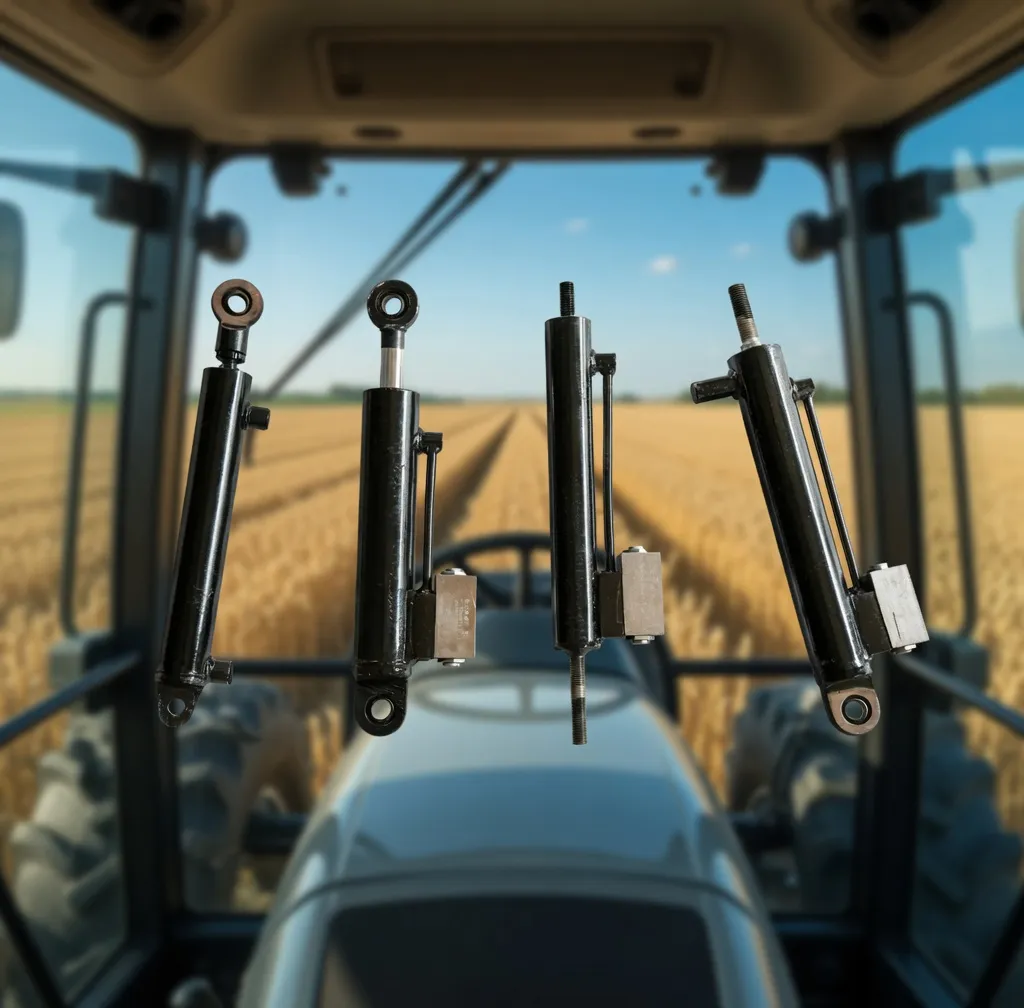
Maximising Hydraulic Cylinder Life: The Practical Checklist
Five actions, applied consistently, push actual hydraulic cylinder life to the upper end of the expected range for any application: (1) maintain oil at ISO 16/14/11 through annual sampling and condition-based filter replacement; (2) inspect wiper seals at every service interval — 250–500 hours for mobile machinery — and replace at first sign of cracking or deformation; (3) retract all rods fully before storage and apply corrosion inhibitor to any exposed chrome; (4) re-torque mounting fasteners annually and check pin-to-bushing clearance for side-load indicators; (5) replace the complete seal kit proactively at 2,000–3,000 hours rather than waiting for visible leakage. For specific seal kit supply, rebuild guidance, or long-life cylinder specification for demanding applications, contact Ever-Power with your cylinder model and operating hours.
Request a Free Specification Review
Send your application details to [email protected] or call +86-571-88220653. Our engineers respond within 24 hours.