
Product Description
Products Description
|
Product Name |
HSG Series Hydraulic Cylinder |
|||
|
Work Press |
7/14/16/21/31.5MPa 37.5/63MPa Can be Customized |
|||
|
Material |
Aluminum,Cast Iron,45mnb Steel,Stainless Steel |
|||
|
Bore Size |
40mm–320mm,Customizable |
|||
|
Shaft Diameter |
20mm–220mm,Customizable |
|||
|
Stroke Length |
30mm–14100mm,Customizable |
|||
|
Rod Surface Hardness |
HRC48-54 |
|||
|
Paint Color |
Black,Yellow,Blue,Brown,Customizable |
|||
|
Mounting |
Earring,Flange,Clevis.Foot,Trunnion,Customizable |
|||
|
Warrenty |
1 Year |
|||
|
MOQ |
1 Piece |
|||
|
Delivery Time |
7-15 Days,Also depands on specific demands |
|||
|
Certification |
ISO9001,CE |
|||
Company Profile
QIANGLIN HYDRAULIC MACHINERY CO., LTD
| QiangLin is a professional hydraulic equipment manufacturer, mainly engaged in hydraulic system design, manufacture, installation, transformation, sales, and technical services. Our manufacturing facilities are certified to the ISO 9001 standard. We are an approved supplier to many equipment manufacturers in China. We are also partners with many customers from America, Canada, Australia, Germany, England, and other European Countries. Product quality, shorter delivery time, and customer satisfaction are our long-term commitments to our CHINAMFG customers. Hope to be your partner. |
FAQ:
Q1: Are you a trading company or a manufacturer?
A: We have our own factory.
Q2: Are you able to make Non-standard or customized products?
A: Yes, we can.
Q3: How long is your delivery time?
A: Normally, the delivery time is 7 days if we have stock, 15-30 working days if we don’t. but it
also depends on the product
requirements and quantity.
Q4: Do you provide samples? are the samples free or not?
A: Yes, we can provide samples, but they are not free of charge.
Q5: What are your payment terms?
A: 30% deposit T/T or Irrevocable L/C at sight, If you have any questions, please feel free to
contact us.
Q6: What are your After-sales services?
A: Before shipment, Each individual product will be strictly inspected on our factory QC Process
System. In addition, We have a
Customer Service team to respond to customers’ questions within 12 hours. Being helpful in
solving customers’ problems is always our goal.
| Certification: | CE, ISO9001 |
|---|---|
| Pressure: | High Pressure |
| Work Temperature: | Normal Temperature |
| Customization: |
Available
|
|
|---|
.shipping-cost-tm .tm-status-off{background: none;padding:0;color: #1470cc}
|
Shipping Cost:
Estimated freight per unit. |
about shipping cost and estimated delivery time. |
|---|
| Payment Method: |
|
|---|---|
|
Initial Payment Full Payment |
| Currency: | US$ |
|---|
| Return&refunds: | You can apply for a refund up to 30 days after receipt of the products. |
|---|
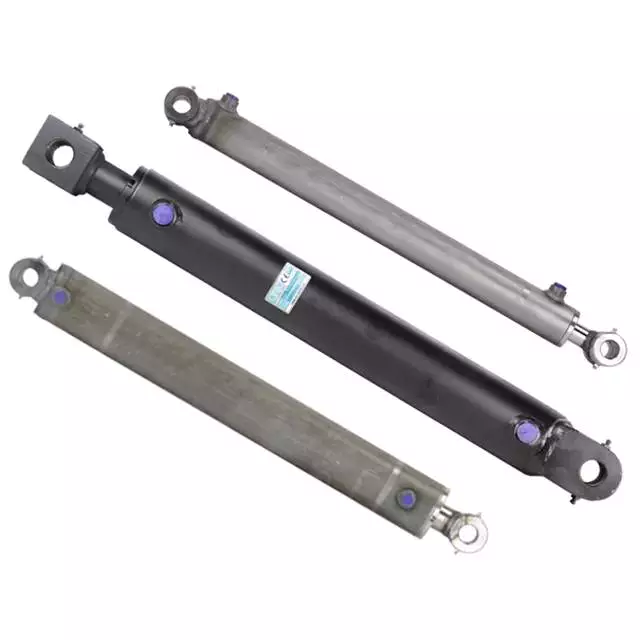
What role do hydraulic cylinders play in optimizing power distribution and efficiency?
Hydraulic cylinders play a significant role in optimizing power distribution and efficiency in various applications. They are widely used in industries such as construction, manufacturing, agriculture, and transportation, where efficient power transmission and precise control are essential. Here’s a detailed explanation of the role hydraulic cylinders play in optimizing power distribution and efficiency:
1. Power Transmission:
– Hydraulic cylinders serve as a means of power transmission in hydraulic systems. They convert the hydraulic fluid’s pressure and flow into linear mechanical force, allowing for controlled movement of loads. Hydraulic cylinders efficiently transmit power from an energy source, such as a hydraulic pump, to the working components of the system. The ability to transmit power over long distances with minimal energy losses makes hydraulic cylinders an efficient choice for various applications.
2. High Power Density:
– Hydraulic cylinders offer high power density, meaning they can generate significant force relative to their size. This characteristic enables compact and lightweight hydraulic systems while delivering substantial power output. Hydraulic cylinders can produce high forces even at low operating speeds, making them suitable for heavy-duty applications. The high power density of hydraulic cylinders contributes to the optimization of power distribution by maximizing the force output while minimizing the system’s overall size and weight.
3. Load Handling and Control:
– Hydraulic cylinders provide precise load handling and control capabilities, contributing to power distribution optimization. By adjusting the flow of hydraulic fluid to the cylinder, operators can control the speed, force, and direction of the cylinder’s movement. This level of control allows for accurate positioning and smooth operation of loads, reducing energy waste and improving overall system efficiency. Hydraulic cylinders enable precise load handling and control, leading to optimal power distribution and improved energy efficiency.
4. Variable Force and Speed:
– Hydraulic cylinders offer the advantage of variable force and speed control. By regulating the flow of hydraulic fluid, the force exerted by the cylinder can be adjusted as needed. This flexibility enables hydraulic systems to adapt to different load requirements, optimizing power distribution. Hydraulic cylinders can operate at varying speeds, allowing for efficient power distribution across different stages of an operation. The ability to vary force and speed according to the application’s demands enhances energy efficiency and overall system performance.
5. Energy Recovery:
– Hydraulic cylinders can contribute to energy efficiency through energy recovery mechanisms. In certain applications, hydraulic systems utilize accumulators to store and release energy. Hydraulic cylinders can store energy during deceleration or when the load is lowering, and then release it to assist in subsequent movements. This energy recovery process reduces the overall energy consumption of the system, optimizing power distribution and improving efficiency. The ability to recover and reuse energy enhances the sustainability and cost-effectiveness of hydraulic systems.
6. Integrated Control Systems:
– Hydraulic cylinders can be integrated into advanced control systems, such as servo control or proportional control systems. These systems utilize electronic feedback, sensors, and control algorithms to optimize power distribution and efficiency. By continuously monitoring and adjusting the flow of hydraulic fluid, the control systems ensure that the cylinder operates at the most efficient operating point, minimizing energy losses and maximizing power distribution. Integrated control systems enhance the overall energy efficiency of hydraulic systems and contribute to power optimization.
7. System Efficiency Improvement:
– Hydraulic cylinders, when combined with other components in a hydraulic system, contribute to overall system efficiency improvement. The integration of efficient hydraulic pumps, valves, and actuators helps minimize energy losses, pressure drops, and heat generation. By optimizing the design and configuration of the hydraulic system, including the selection of appropriate cylinder sizes, operating pressures, and control strategies, power distribution can be optimized, leading to improved energy efficiency. Proper system design and component selection are critical for achieving optimal power distribution and efficiency.
In summary, hydraulic cylinders play a crucial role in optimizing power distribution and efficiency in various applications. They enable efficient power transmission, offer high power density, provide precise load handling and control, allow for variable force and speed control, facilitate energy recovery, can be integrated into advanced control systems, and contribute to overall system efficiency improvement. By leveraging the capabilities of hydraulic cylinders, industries can achieve better power utilization, reduced energy consumption, and improved system performance.
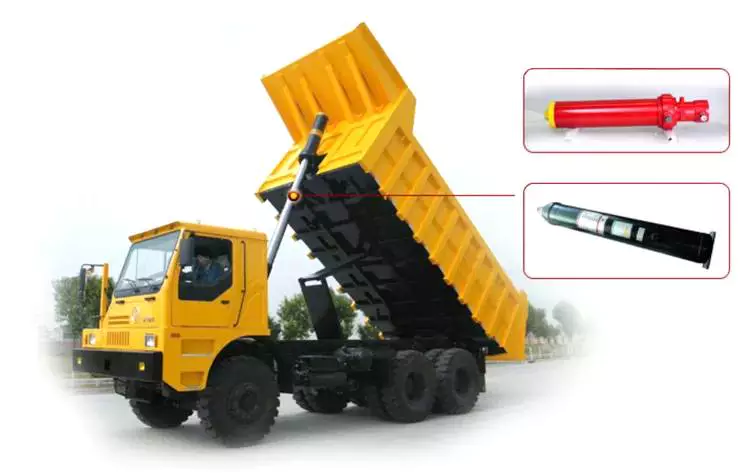
Advancements in Hydraulic Cylinder Technology Improving Corrosion Resistance
Advancements in hydraulic cylinder technology have led to significant improvements in corrosion resistance. Corrosion is a major concern in hydraulic systems, especially in environments where cylinders are exposed to moisture, chemicals, or corrosive agents. These advancements aim to enhance the durability and longevity of hydraulic cylinders. Let’s explore some of the key advancements in hydraulic cylinder technology that have improved corrosion resistance:
- Corrosion-Resistant Materials: The use of corrosion-resistant materials is a fundamental advancement in hydraulic cylinder technology. Stainless steel, for example, offers excellent resistance to corrosion, making it a popular choice in marine, offshore, and other corrosive environments. Additionally, advancements in metallurgy have led to the development of specialized alloys and coatings that provide enhanced corrosion resistance, extending the lifespan of hydraulic cylinders.
- Surface Treatments and Coatings: Various surface treatments and coatings have been developed to protect hydraulic cylinders from corrosion. These treatments can include electroplating, galvanizing, powder coating, and specialized corrosion-resistant coatings. These coatings create a barrier between the cylinder surface and corrosive elements, preventing direct contact and inhibiting the onset of corrosion. The selection of appropriate coatings depends on the specific application and environmental conditions.
- Sealing Technology: Effective sealing systems are crucial in preventing water, moisture, and contaminants from entering the cylinder and causing corrosion. Advancements in sealing technology have led to the development of high-quality seals and advanced sealing designs that offer superior resistance to corrosion. These seals are typically made from materials specifically engineered to withstand corrosive environments, ensuring long-term sealing performance and minimizing the risk of corrosion-related issues.
- Improved Surface Finishes: The surface finish of hydraulic cylinders plays a role in their resistance to corrosion. Advancements in machining and polishing techniques have allowed for smoother and more uniform surface finishes. Smoother surfaces reduce the likelihood of corrosion initiation and make it easier to clean and maintain hydraulic cylinders. Additionally, specialized finishes, such as passivation or chemical treatments, can be applied to further enhance corrosion resistance.
- Environmental Protection Features: Hydraulic cylinders can be equipped with additional features to protect against corrosion. These features may include protective boots, bellows, or shields that guard vulnerable areas from exposure to corrosive agents. By incorporating these protective elements into the design, hydraulic cylinders can withstand harsh environments and minimize the risk of corrosion-related damage.
In summary, advancements in hydraulic cylinder technology have significantly improved corrosion resistance. The use of corrosion-resistant materials, advanced surface treatments and coatings, innovative sealing technology, improved surface finishes, and the incorporation of environmental protection features have all contributed to enhanced durability and longevity of hydraulic cylinders in corrosive environments. These advancements ensure reliable performance and reduce the maintenance and replacement costs associated with corrosion-related issues.
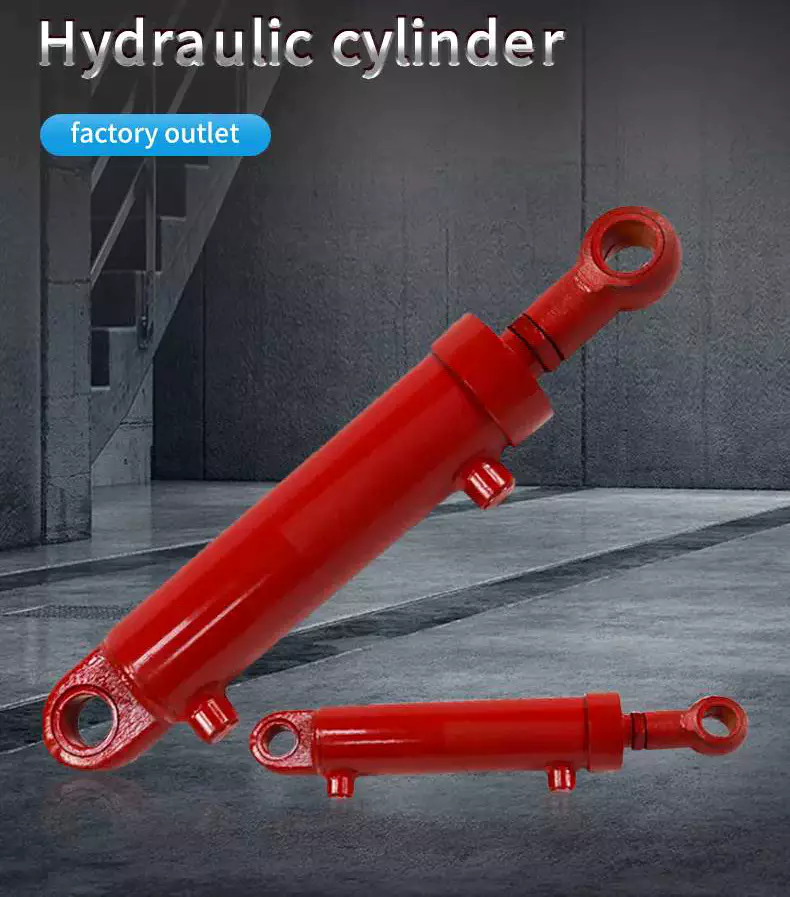
What is a hydraulic cylinder and how does it function in various applications?
A hydraulic cylinder is a mechanical actuator that converts hydraulic energy into linear force and motion. It plays a critical role in various applications where controlled and powerful linear motion is required. Hydraulic cylinders are commonly used in industries such as construction, manufacturing, agriculture, and transportation. Here’s a detailed explanation of what a hydraulic cylinder is and how it functions:
Definition and Components:
– A hydraulic cylinder consists of a cylindrical barrel, a piston, a piston rod, and various seals. The barrel is a hollow tube that houses the piston and allows for fluid flow. The piston divides the cylinder into two chambers: the rod side and the cap side. The piston rod extends from the piston and provides a connection point for external loads. Seals are used to prevent fluid leakage and maintain hydraulic pressure within the cylinder.
Function:
– The function of a hydraulic cylinder is to convert the pressure and flow of hydraulic fluid into linear force and motion. The hydraulic fluid, typically oil, is pressurized and directed into one of the chambers of the cylinder. As the fluid enters the chamber, it applies pressure on the piston, causing it to move in a linear direction. This linear motion of the piston is transferred to the piston rod, creating a pushing or pulling force.
Working Principle:
– The working principle of a hydraulic cylinder is based on Pascal’s law, which states that pressure exerted on a fluid in a confined space is transmitted equally in all directions. In a hydraulic cylinder, when hydraulic fluid is pumped into one side of the cylinder, it creates pressure on the piston. The pressure is transmitted through the fluid to the other side of the piston, resulting in a balanced force across the piston and piston rod. This force generates linear motion in the direction determined by the fluid input.
Applications:
– Hydraulic cylinders find extensive use in a wide range of applications due to their ability to generate high forces and precise control of linear motion. Some common applications include:
1. Construction Equipment: Hydraulic cylinders are used in excavators, loaders, bulldozers, and cranes for lifting, pushing, and digging tasks.
2. Manufacturing Machinery: Hydraulic cylinders are employed in presses, machine tools, and material handling equipment for pressing, clamping, and lifting operations.
3. Agricultural Machinery: Hydraulic cylinders are used in tractors, harvesters, and irrigation systems for tasks like steering, lifting, and controlling attachments.
4. Transportation: Hydraulic cylinders are utilized in vehicles such as dump trucks, garbage trucks, and forklifts for tilting, lifting, and tipping operations.
5. Aerospace and Defense: Hydraulic cylinders are employed in aircraft landing gear, missile systems, and hydraulic actuators for control surfaces.
6. Marine and Offshore: Hydraulic cylinders are used in ship steering systems, cranes, and offshore drilling equipment for various lifting and positioning tasks.
In these applications, hydraulic cylinders offer advantages such as high force capability, precise control, compact size, and durability. They provide efficient and reliable linear motion, contributing to enhanced productivity and functionality in a wide range of industries.
Overall, hydraulic cylinders are integral components in various applications where controlled and powerful linear motion is required. Their ability to convert hydraulic energy into mechanical force makes them invaluable in numerous industries, enabling the operation of heavy machinery, precise positioning, and efficient load handling.


editor by CX 2023-11-08