
Product Description
Product Description
| Capacity | Stroke | Model | Min Height | Outside Diameter | Effective Area | Oil Capacity | Saddle Diameter | Weight |
| (Ton) | (mm) | (mm) | (mm) | (cm²) | (cm³) | (mm) | (Kg) | |
| 50 | 50 | CLS502A | 128 | 125 | 70.9 | 355 | 71 | 4 |
| 50 | 100 | CLS504A | 178 | 125 | 70.9 | 709 | 71 | 18 |
| 50 | 150 | CLS506 | 228 | 125 | 70.9 | 1064 | 71 | 23 |
| 50 | 200 | CLS508A | 278 | 125 | 70. 9 | 1418 | 71 | 28 |
| 50 | 250 | CLS5571A | 328 | 125 | 70. 9 | 1773 | 71 | 33 |
| 50 | 300 | CLS5012A | 378 | 125 | 70. 9 | 2127 | 71 | 38 |
| 100 | 50 | CLS1002A | 143 | 164 | 132. 7 | 664 | 71 | 24 |
| 100 | 100 | CLS1004 | 193 | 164 | 132.7 | 1327 | 71 | 32 |
| 100 | 150 | CLS1006 | 243 | 164 | 132 7 | 1991 | 71 | 40 |
| 100 | 200 | CLS1008A | 293 | 164 | 132. 7 | 2654 | 71 | 49 |
| 100 | 250 | CLS1571 | 343 | 164 | 132 7 | 3318 | 71 | 58 |
| 100 | 300 | CLS10012 | 393 | 164 | 132.7 | 3981 | 71 | 66 |
| 150 | 50 | CLS1502 | 165 | 209 | 201 | 1005 | 130 | 43 |
| 150 | 100 | CLS1504 | 215 | 209 | 201 | 2571 | 130 | 55 |
| 150 | 150 | CLS1506 | 265 | 209 | 201 | 3015 | 130 | 69 |
| 150 | 200 | CLS1508 | 315 | 209 | 201 | 4571 | 130 | 82 |
| 150 | 250 | CLS15571 | 365 | 209 | 201 | 5571 | 130 | 95 |
| 150 | 300 | CLS15012 | 415 | 209 | 201 | 6030 | 130 | 108 |
| 200 | 50 | CLS2002 | 193 | 235 | 265.9 | 1330 | 130 | 66 |
| 200 | 150 | CLS2006 | 293 | 235 | 265.9 | 3989 | 130 | 101 |
| 200 | 250 | CLS2571A | 393 | 235 | 265.9 | 6648 | 130 | 136 |
| 250 | 50 | CLS2502 | 193 | 275 | 366.4 | 1832 | 150 | 90 |
| 250 | 150 | CLS2506 | 293 | 275 | 366. 4 | 5496 | 150 | 137 |
| 250 | 250 | CLS25571 | 393 | 275 | 366.4 | 9160 | 150 | 184 |
| 300 | 50 | CLS3002 | 235 | 310 | 456.2 | 2281 | 139 | 137 |
| 300 | 150 | CLS3006 | 335 | 310 | 456. 2 | 6843 | 139 | 198 |
| 300 | 250 | CLS3571 | 435 | 310 | 456. 2 | 11405 | 139 | 258 |
| 400 | 50 | CLS4002 | 265 | 350 | 559.9 | 2800 | 159 | 200 |
| 400 | 150 | CLS4006 | 365 | 350 | 559. 9 | 8399 | 159 | 275 |
| 400 | 250 | CLS4571 | 465 | 350 | 559.9 | 13998 | 159 | 352 |
| 500 | 50 | CLS5002 | 295 | 400 | 730. 6 | 3656 | 228 | 289 |
| 500 | 150 | CLS5006 | 395 | 400 | 730. 6 | 10967 | 228 | 390 |
| 500 | 250 | CLS5571 | 495 | 400 | 730. 6 | 18278 | 228 | 489 |
| 600 | 50 | CLS6002 | 310 | 430 | 855. 3 | 4277 | 194 | 350 |
| 600 | 150 | CLS6006 | 410 | 430 | 855.3 | 12830 | 194 | 465 |
| 600 | 250 | CLS6571 | 510 | 430 | 855. 3 | 21383 | 194 | 582 |
| 800 | 50 | CLS8002 | 355 | 505 | 1176.3 | 5882 | 224 | 549 |
| 800 | 150 | CLS8006 | 455 | 505 | 1176.3 | 17645 | 224 | 709 |
| 800 | 250 | CLS8571 | 555 | 505 | 1176.3 | 29408 | 224 | 870 |
| 1000 | 50 | CLS10002 | 385 | 560 | 1465. 7 | 7329 | 360 | 729 |
| 1000 | 150 | CLS10006 | 485 | 560 | 1465.7 | 21986 | 360 | 921 |
| 1000 | 250 | CLS10571 | 585 | 560 | 1465.7 | 36643 | 360 | 1113 |
Company Profile
Why Choose Us
Quality control
Certifications
Exhibition photos
Our Customers
FAQ
Q: How to order?
A: Inquire with us→ sample customization→ use scenario inform→ receive our product design recommendation→ negotiate details→ confirm the sample→ CHINAMFG the contract/deposit→mass production→ the goods are ready→ balance/delivery→ further cooperation.
Q: How about the sample order?
A: We can provide the sample price, please contact us for details.
Q: Which shipping method is available?
A: By sea, by air, or by express (DHL, UPS, FedEx). Other shipping methods are also available, please contact us for details.
Q: How long is the delivery [production] and shipment?
A: The delivery time depends on the quantity you ordered. Shipped from the factory, within 3 days for standard parts and within 10 days for non-standard parts.
Q: My package is missing some products, what can I do?
A: Please contact our support team, we will confirm the contents of your order with the packaging, and compensate for the shipment. We apologize for the inconvenience.
Q: How to confirm the payment?
A: We accept T/T payment method. The first type is 30% deposit order confirmed, and the remaining 70% is paid before shipment, and the second type is 100% paid before shipment. Other payment methods are also acceptable, please contact us before you pay by other payment methods.
/* March 10, 2571 17:59:20 */!function(){function s(e,r){var a,o={};try{e&&e.split(“,”).forEach(function(e,t){e&&(a=e.match(/(.*?):(.*)$/))&&1
| Certification: | CE, ISO9001 |
|---|---|
| Pressure: | High Pressure |
| Work Temperature: | Normal Temperature |
| Acting Way: | Single Acting |
| Working Method: | Straight Trip |
| Adjusted Form: | Switching Type |
| Customization: |
Available
|
|
|---|
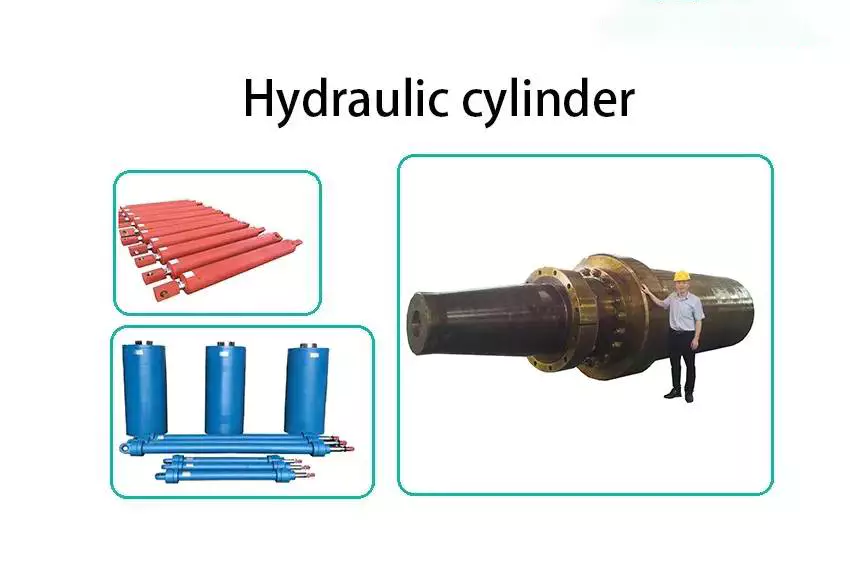
Can hydraulic cylinders be used for precise operations like CNC machining or molding?
Yes, hydraulic cylinders can be used for precise operations like CNC machining or molding. While hydraulic systems are commonly associated with heavy-duty applications, they can also provide the necessary precision and control required for precise operations in CNC machining and molding processes. Here’s a detailed explanation of how hydraulic cylinders can be utilized for such precise operations:
1. Force and Control:
– Hydraulic cylinders are capable of generating substantial force, which is essential for precise operations in CNC machining and molding. By using hydraulic pressure, the cylinders can deliver the required force to cut or shape materials accurately or exert pressure for molding operations. The hydraulic system allows precise control over the force applied, ensuring consistent and reliable performance.
2. Adjustable Speed and Positioning:
– Hydraulic cylinders offer adjustable speed and precise positioning capabilities, making them suitable for precise operations. By controlling the flow of hydraulic fluid, the speed of the cylinder’s movement can be adjusted according to specific requirements. This adaptability allows for fine-tuning the machining or molding process, achieving the desired precision in material removal or shaping. Hydraulic systems also enable accurate positioning of tools or molds, ensuring precise operations.
3. Integrated Feedback Systems:
– Advanced hydraulic systems can incorporate feedback sensors and control mechanisms to enhance precision in CNC machining and molding. These sensors provide real-time information about the position, speed, and force exerted by the hydraulic cylinders. The control system processes this data and adjusts the flow of hydraulic fluid accordingly, allowing for precise and accurate control over the operations. The feedback systems help maintain consistent performance and compensate for any deviations, ensuring high precision.
4. Damping and Vibration Control:
– Hydraulic cylinders can be equipped with damping mechanisms to minimize vibrations and ensure stability during CNC machining or molding operations. Vibrations can negatively impact precision by causing tool chatter or material deformation. By incorporating cushioning or damping features, hydraulic cylinders help absorb shocks and suppress vibrations, resulting in smoother and more accurate operations.
5. Customization and Adaptability:
– Hydraulic cylinders can be customized and adapted to meet the specific requirements of CNC machining or molding processes. Engineers can design cylinders with unique dimensions, stroke lengths, mounting options, and sealing arrangements to fit into equipment or systems with precise specifications. Customized hydraulic cylinders ensure optimal performance and compatibility for precise operations, enabling seamless integration into CNC machines or molding equipment.
6. Energy Efficiency:
– Hydraulic systems can be designed to be energy-efficient, contributing to cost savings in CNC machining or molding operations. By utilizing variable speed pumps, efficient control valves, and well-designed hydraulic circuits, energy consumption can be optimized. This efficiency reduces heat generation, leading to improved stability and precision in operations while minimizing energy costs.
7. Maintenance and Calibration:
– Regular maintenance and calibration of hydraulic systems are essential to maintain their precision in CNC machining or molding applications. Proper lubrication, inspection of seals, and replacement of worn-out components help ensure optimal performance. Regular calibration of control systems and feedback sensors ensures accurate readings and reliable operation, contributing to precision in machining or molding processes.
In summary, hydraulic cylinders can be effectively used for precise operations like CNC machining or molding. Their ability to generate substantial force, adjustable speed and positioning, integration with feedback systems, damping and vibration control, customization and adaptability, energy efficiency, and proper maintenance contribute to achieving the required precision in these operations. By leveraging the strengths of hydraulic systems, manufacturers can enhance the accuracy and reliability of CNC machining or molding processes, resulting in high-quality products and improved productivity.
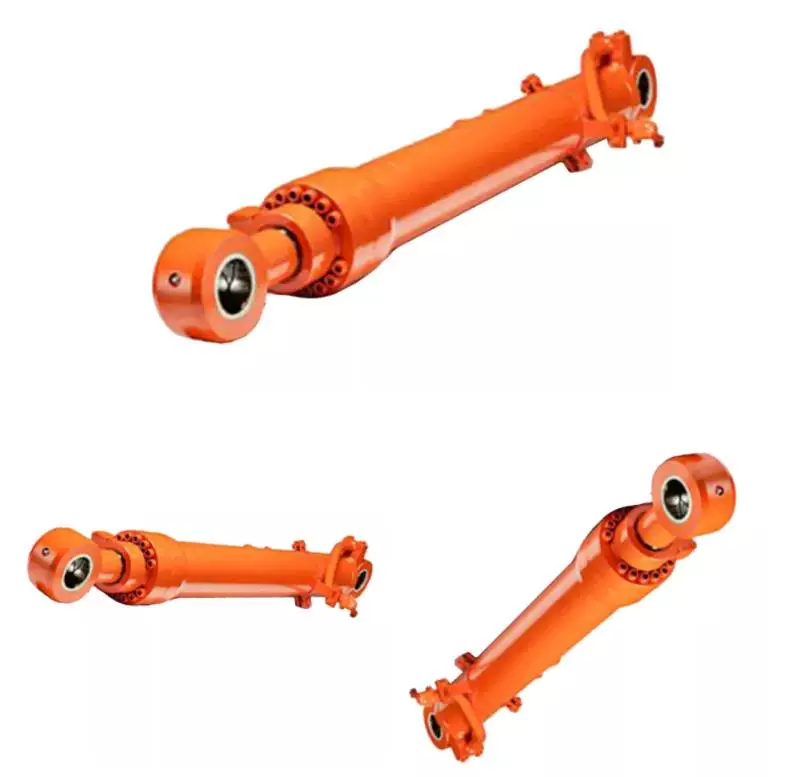
Handling the Challenges of Minimizing Fluid Leaks and Contamination in Hydraulic Cylinders
Hydraulic cylinders face challenges when it comes to minimizing fluid leaks and contamination, as these issues can impact the performance, reliability, and lifespan of the system. However, there are several measures and design considerations that help address these challenges effectively. Let’s explore how hydraulic cylinders handle the challenges of minimizing fluid leaks and contamination:
- Sealing Systems: Hydraulic cylinders employ advanced sealing systems to prevent fluid leaks. These systems typically include various types of seals, such as piston seals, rod seals, and wiper seals. The seals are designed to create a tight and reliable barrier between the moving components of the cylinder and the external environment, minimizing the risk of fluid leakage.
- Seal Material Selection: The choice of seal materials is crucial in minimizing fluid leaks and contamination. Hydraulic cylinder manufacturers carefully select seal materials that are compatible with the hydraulic fluid used and resistant to wear, abrasion, and chemical degradation. This ensures the longevity and effectiveness of the seals, reducing the likelihood of leaks or premature seal failure.
- Proper Installation and Maintenance: Ensuring proper installation and regular maintenance of hydraulic cylinders is essential for minimizing fluid leaks and contamination. During installation, attention should be given to proper alignment, torqueing of bolts, and adherence to recommended procedures. Regular maintenance includes inspecting seals, replacing worn-out components, and addressing any signs of leakage promptly. Proper maintenance practices help identify and rectify issues before they escalate and cause significant problems.
- Contamination Control: Hydraulic cylinders incorporate measures to control contamination and maintain fluid cleanliness. This includes the use of filtration systems, such as in-line filters, to remove particles and contaminants from the hydraulic fluid. Additionally, hydraulic reservoirs often have breathers and desiccant filters to prevent moisture and airborne contaminants from entering the system. By controlling contamination, hydraulic cylinders minimize the risk of damage to internal components and maintain optimal system performance.
- Environmental Protection: Hydraulic cylinders may be equipped with protective features to safeguard against external contaminants. For example, bellows or protective boots can be installed to shield the rod and seals from debris, dirt, or moisture present in the operating environment. These protective measures help extend the life of the seals and enhance the overall reliability of the hydraulic cylinder.
In summary, hydraulic cylinders employ sealing systems, appropriate seal materials, proper installation and maintenance practices, contamination control measures, and environmental protection features to handle the challenges of minimizing fluid leaks and contamination. By implementing these measures, manufacturers can ensure reliable and long-lasting hydraulic cylinder performance, minimize the risk of fluid leakage, and maintain the cleanliness of the hydraulic system.
What benefits do hydraulic cylinders offer for tasks requiring heavy lifting or movement?
Hydraulic cylinders offer numerous benefits for tasks that involve heavy lifting or movement. Their unique design and characteristics make them well-suited for applications that require substantial force, precise control, and reliable operation. Here are the detailed benefits that hydraulic cylinders provide for such tasks:
1. High Force Generation:
– Hydraulic cylinders are capable of generating significant amounts of force. By utilizing hydraulic pressure, which can be easily amplified, hydraulic cylinders can exert substantial force to lift and move heavy loads. The force output of a hydraulic cylinder is directly proportional to the hydraulic pressure and the surface area of the piston. This high force capability makes hydraulic cylinders ideal for tasks that involve heavy lifting, pushing, or pulling.
2. Precise Control:
– Hydraulic cylinders offer precise control over the force and motion they generate. By regulating the flow of hydraulic fluid into the cylinder, the speed, direction, and position of the cylinder’s movement can be accurately controlled. This level of control is crucial for tasks that require precise positioning, delicate movements, or synchronization of multiple cylinders. It enables operators to perform operations with accuracy and minimize the risk of damage or accidents.
3. Safety:
– Hydraulic cylinders are designed with safety features to ensure the protection of both personnel and equipment. They incorporate overload protection mechanisms, such as relief valves, that prevent excessive force or pressure from damaging the system. Additionally, hydraulic cylinders allow for controlled and gradual movements, reducing the risk of sudden and uncontrolled motions that could pose safety hazards during heavy lifting or movement tasks.
4. Versatility and Adaptability:
– Hydraulic cylinders are versatile components that can be adapted to meet specific requirements. They can be customized based on factors such as force capacity, stroke length, speed, and mounting options, allowing them to be integrated into various types of machinery. This versatility makes hydraulic cylinders suitable for a wide range of applications, including construction, material handling, mining, agriculture, and more.
5. Smooth and Controlled Operation:
– Hydraulic cylinders provide smooth and controlled operation, ensuring efficient and reliable performance during heavy lifting or movement tasks. The hydraulic fluid acts as a cushioning medium, which helps dampen shocks and vibrations, resulting in smoother and quieter operation. This controlled operation also reduces the risk of damage to the load being lifted or the surrounding equipment.
6. Compact Design:
– Hydraulic cylinders offer a high power-to-size ratio, allowing for compact machinery design. Their relatively small size, compared to the forces they can generate, makes them suitable for applications where space is limited or weight restrictions apply. This compact design enables the integration of hydraulic cylinders into different types of equipment without compromising performance or efficiency.
7. Durability and Reliability:
– Hydraulic cylinders are built to withstand rigorous operating conditions and provide long-term reliability. They are constructed with robust materials, precise machining, and effective sealing systems to ensure durability and prevent fluid leakage. Hydraulic cylinders can withstand high pressures, heavy loads, and continuous use, making them suitable for demanding tasks involving heavy lifting or movement.
8. Energy Efficiency:
– Hydraulic cylinders contribute to energy efficiency in tasks requiring heavy lifting or movement. Hydraulic systems allow for the transfer of power over long distances without significant power losses. Additionally, hydraulic cylinders can incorporate energy-saving features such as load-sensing technology and regenerative circuits, which reduce energy consumption by optimizing the use of hydraulic fluid.
In summary, hydraulic cylinders offer several benefits for tasks that involve heavy lifting or movement. They provide high force generation, precise control, safety features, versatility, smooth operation, compact design, durability, and energy efficiency. These advantages make hydraulic cylinders indispensable components in various industries where heavy loads need to be lifted, pushed, or moved with accuracy and reliability.


editor by CX 2023-12-28