
Hydraulic cylinder seal life is one of the most variable performance characteristics in any hydraulic system. The same seal compound installed in two identical cylinders doing the same job can last 10,000 hours in one machine and fail in under 500 hours in another — depending entirely on oil cleanliness, operating temperature, and rod surface condition. This guide explains the factors that control seal life and what operators can do to push service intervals toward the upper end of the range.
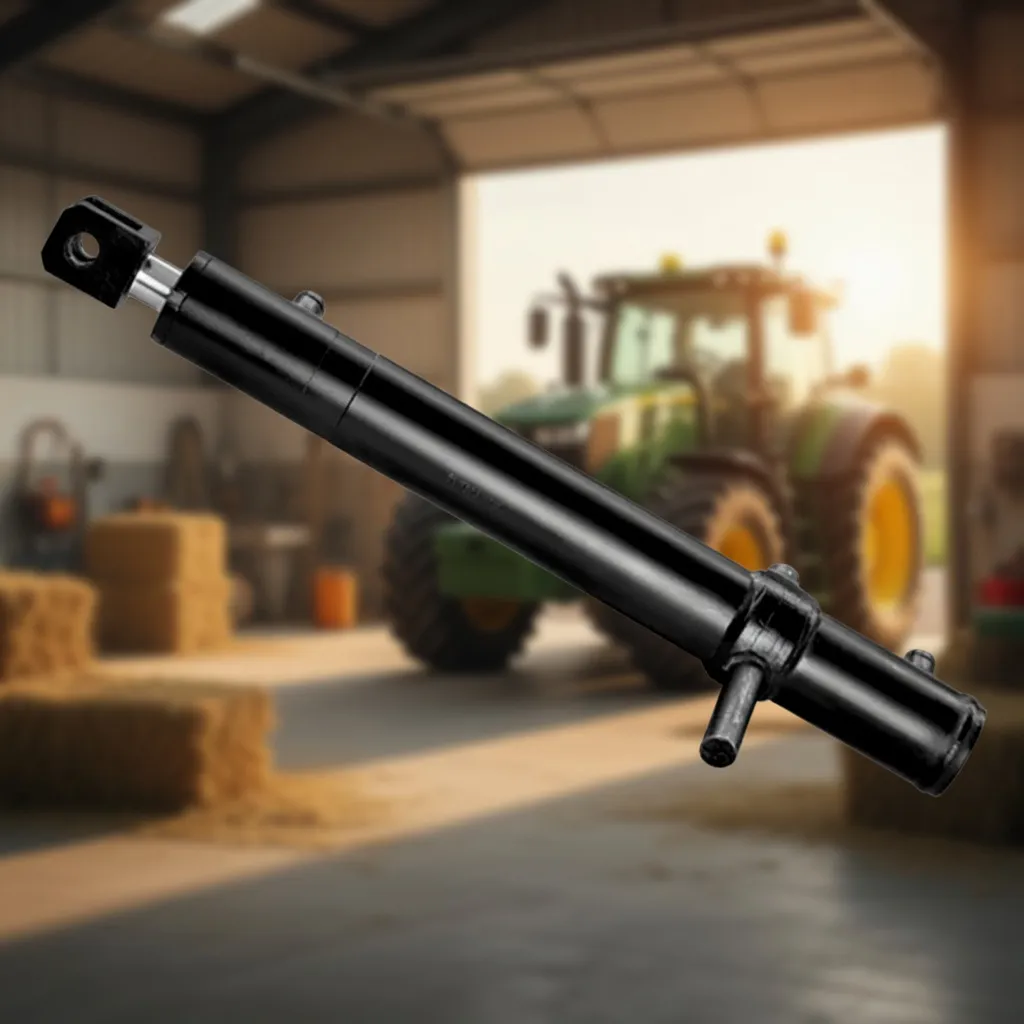
Typical Seal Service Life by Application Type
| Application | Typical Seal Life (hours) | Key Life-Limiting Factor |
|---|---|---|
| Static industrial press — clean environment | 8,000–12,000 | Cycle count and fluid temperature |
| Agricultural machinery — field duty | 2,000–5,000 | Dust contamination, temperature swings |
| Construction machinery — mobile | 1,500–4,000 | Abrasive dust, side load, oil cleanliness |
| Dump truck tipping cylinder | 3,000–7,000 | Road grit contamination, wiper seal condition |
| Marine and offshore — salt exposure | 1,000–3,000 | Corrosion, seal compound compatibility with seawater |
| Spray boom — chemical exposure | 1,500–3,000 | Pesticide and fertiliser attack on seal lips |
The Oil Cleanliness Factor: The Highest-Leverage Variable
No other maintenance variable affects seal life more directly than hydraulic oil cleanliness. At ISO 16/14/11 — the target for well-maintained systems — particles are small enough that they pass through seal lips without embedding. At ISO 20/18/15, which is common in neglected field machinery, particle sizes reach levels that embed in polyurethane seal lips on contact, converting the seal into an abrasive that wears itself and the rod simultaneously.
The practical consequence: a system running at ISO 20/18/15 can reduce seal life by 50–70% compared to the same cylinder at ISO 16/14/11. The cost of annual oil sampling and particle counting is less than 5% of a single seal replacement job. For high-cycle or safety-critical applications, inline contamination monitoring with an alarm setpoint is a worthwhile investment.
Temperature Effects on Seal Compound Life
Every seal compound has an operating temperature window outside which the material either hardens and cracks (too cold) or softens and extrudes (too hot). Standard NBR operates reliably between -20°C and +80°C. Below -20°C, NBR hardens enough to lose its interference fit, causing cold-start leakage that disappears once the system warms — a symptom easily misdiagnosed as a fitting leak. Polyurethane extends the cold end to approximately -30°C and the hot end to +90°C, making it the better default for outdoor machinery with wide temperature swings.
FKM (Viton) covers -20°C to +200°C for high-temperature applications. PTFE-composite seals have the widest temperature range but require a smoother rod surface finish than standard chrome for reliable sealing.
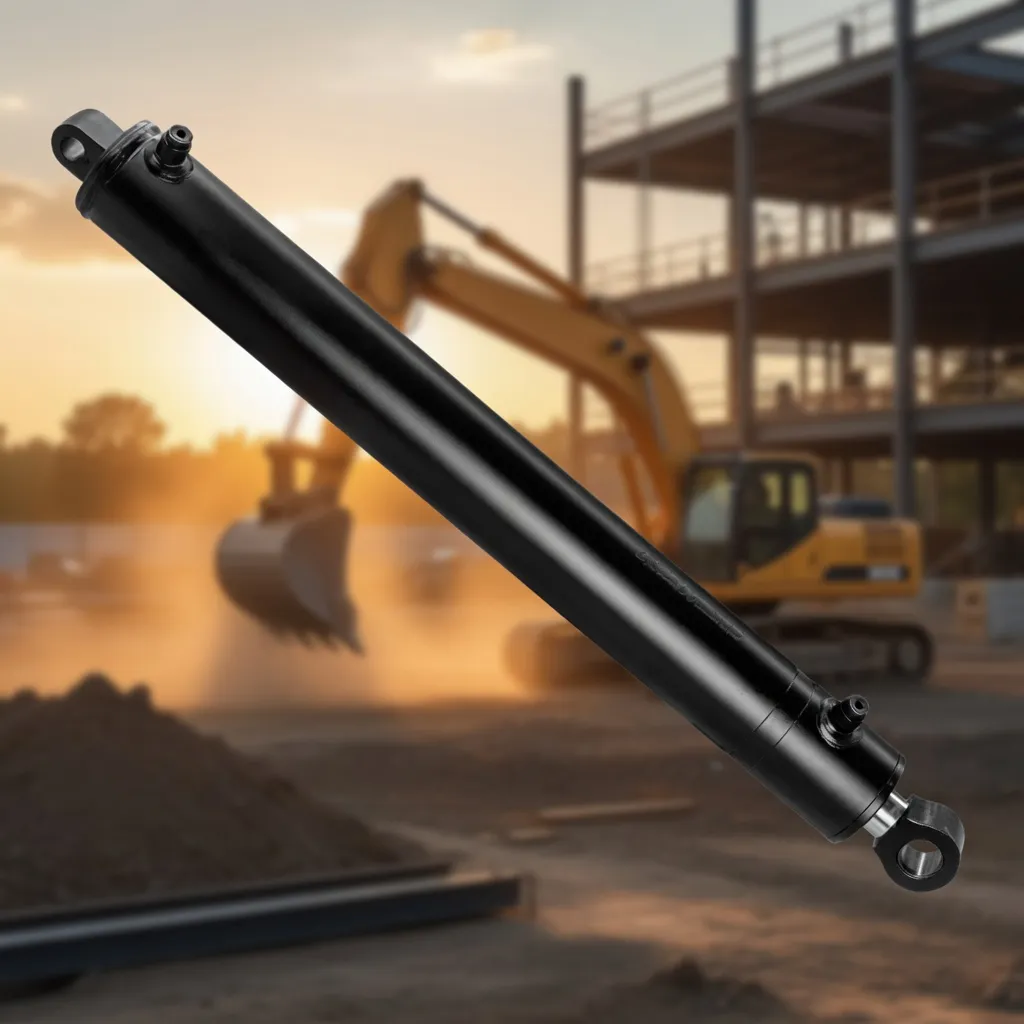
How Wiper Seal Condition Controls Primary Seal Life
The rod wiper seal is the first line of defence against external contamination entering the seal zone. Its job is to scrape dust, crop debris, and moisture off the rod surface as the rod retracts. A new wiper in good condition removes particles down to approximately 10–15 microns. A cracked or split wiper allows these particles to pass directly onto the primary rod seal surface on every retraction stroke.
The consequence is exponential, not linear: a 20% degraded wiper does not reduce primary seal life by 20% — it exposes the primary seal to contamination levels that may reduce its life by 60–80%. Wiper inspection takes 30 seconds. Replacement takes 5 minutes. This is the maintenance action with the highest return on time invested in any cylinder service routine.
Proactive vs. Reactive Seal Replacement Strategy
Reactive Replacement
Replace seals only when a leak appears. Lower short-term cost but higher long-term cost: rod surface damage accumulates during the leaking period, and field downtime is unplanned and unpredictable.
Hours-Based Proactive Replacement
Replace rod seals and wipers at a fixed hour interval — typically 2,000–3,000 hours for field machinery — regardless of visible condition. Eliminates unplanned downtime and protects rod surfaces from progressive damage.
Condition-Based Monitoring
Annual oil sampling and quarterly wiper inspection trigger seal replacement when specific thresholds are met. Balances maintenance cost against downtime risk — most cost-effective for high-value equipment.
For multi-cylinder equipment where seal failures tend to cluster at similar intervals, a proactive kit replacement approach — replacing all seals on all cylinders in a single scheduled shutdown — minimises total downtime. Contact Ever-Power to discuss seal kit supply for your specific cylinder models.
Request a Free Specification Review
Send your application details to [email protected] or call +86-571-88220653. Our engineers respond within 24 hours.