
Custom hydraulic cylinder orders are straightforward when the specification is complete and well-communicated. Delays and incorrect deliveries almost always trace back to ambiguous or incomplete specifications rather than manufacturing errors. This guide covers the complete specification package a manufacturer needs to produce a correct custom cylinder on the first attempt, with practical guidance on how to communicate dimensions, seal requirements, and surface treatments clearly.
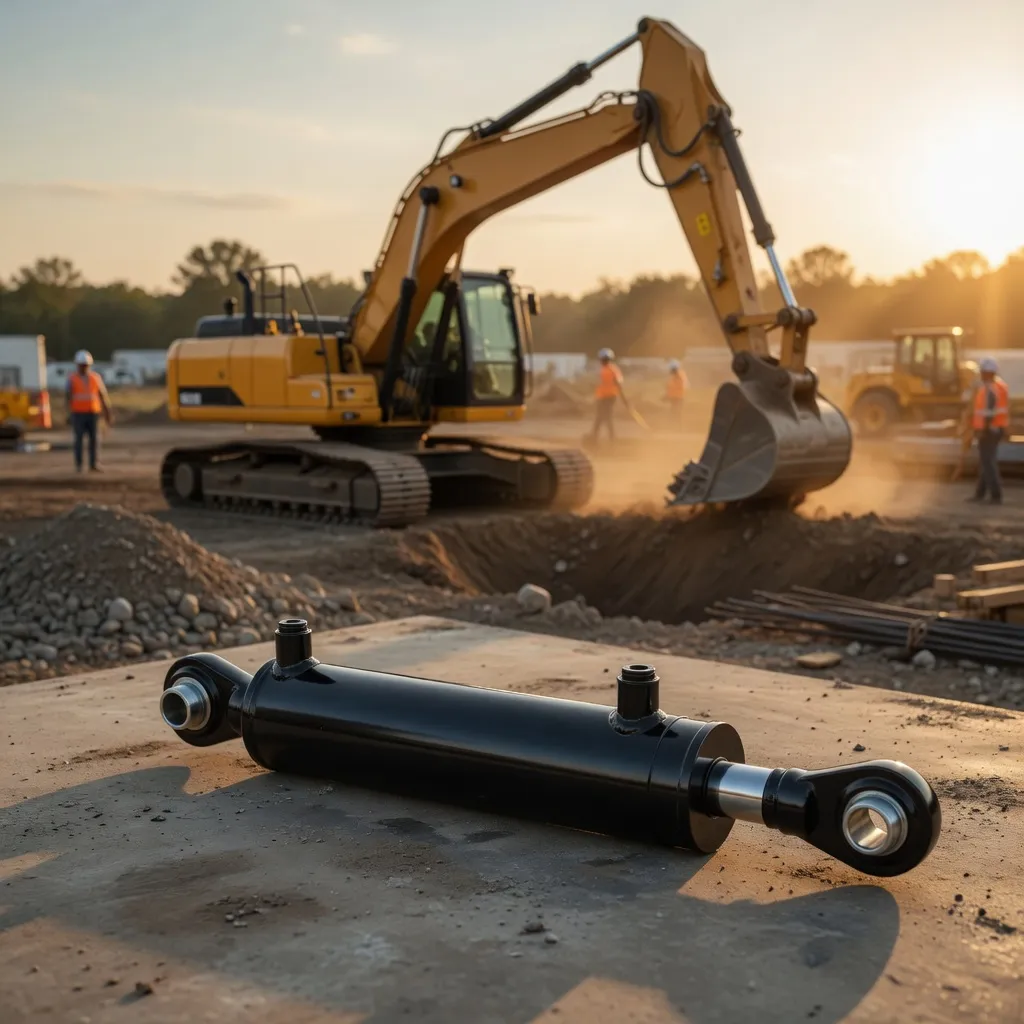
The Complete Custom Cylinder Specification Checklist
Bore and Rod Diameters
Bore: internal barrel diameter in mm. Rod: external rod diameter in mm. Both to standard metric sizes unless specifically non-standard. Confirm whether standard bore/rod ratios apply or both dimensions are fixed by the installation geometry.
Stroke and Collapsed Length
Stroke: full rod travel in mm. Collapsed length: overall cylinder length when retracted — must fit the installation envelope. If both are specified, the manufacturer confirms feasibility; if only one is specified, the other is calculated from the design.
Mounting Configuration
Provide a dimensional sketch or photograph of both end mountings. Specify: pin eye bore diameter and clevis width; or flange bolt circle diameter, bolt quantity, bolt size; or trunnion pin diameter and mounting span.
Port Size and Location
Thread type (BSP, NPT, SAE, or metric), thread size, and physical location of both ports (cap end and rod end). Specify whether ports are radial (side) or axial (end). Include preferred port orientation if there are multiple possible positions.
Working Pressure
Maximum rated operating pressure in MPa or PSI. The manufacturer designs wall thickness, end cap, and tie rod (if applicable) to achieve this rating with an appropriate safety factor.
Seal Compound and Environment
Minimum and maximum operating temperature, hydraulic fluid type (mineral oil, biodegradable, fire-resistant), and any chemical exposure. This determines seal compound and surface treatment specification.
How to Communicate Dimensions Effectively
The most efficient way to communicate all dimensions simultaneously is a dimensional drawing or a clear photograph of the original cylinder with key measurements annotated. If the cylinder is available, take the following photographs: both end caps showing port locations and mounting configuration; the full cylinder extended showing overall extended length; the rod and gland area with a ruler in frame; and the nameplate if visible.
Three views: full cylinder extended (with ruler), cap end showing port and mounting, rod end showing gland and mounting. Annotate key dimensions on the photographs before sending.
Use the checklist above. For port threads: use a thread pitch gauge. For bore size: reference the machine service manual or use the rod-to-bore ratio table. Record minimum and maximum operating temperature.
Describe the duty cycle (cycles per hour, hours per day), the mounting orientation, any side load conditions, and whether the installation is indoors, outdoor, marine, or chemical-exposed.
Include the required quantity for the first order (prototype and production quantities may differ). State the latest acceptable delivery date — this allows the manufacturer to confirm feasibility before accepting the order.
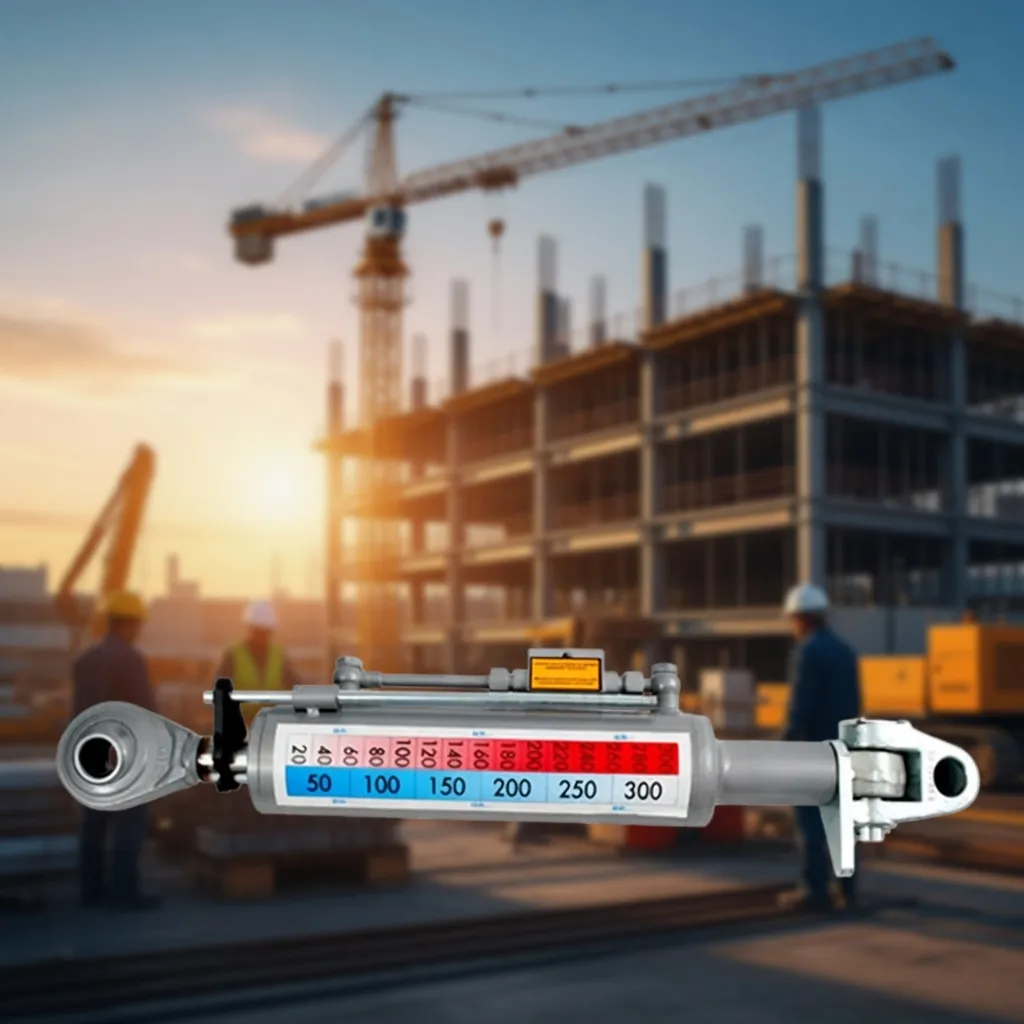
Custom Cylinder Lead Time by Stage
| Stage | Activity | Typical Duration |
|---|---|---|
| 1 | Drawing review and approval | 1–3 working days |
| 2 | Material procurement (if non-stock) | 3–7 working days |
| 3 | Machining — barrel, rod, end caps | 5–10 working days |
| 4 | Honing and chrome plating | 3–5 working days |
| 5 | Seal kit assembly and pressure test | 1–2 working days |
| 6 | Inspection, dimensional check, documentation | 1–2 working days |
| 7 | Packing and despatch | 1 working day |
| Total prototype | From drawing approval to despatch | 15–25 working days |
What Happens After the Order Is Placed
After receiving the order and specification package, Ever-Power’s engineering team reviews the dimensional feasibility, confirms the seal compound selection for the stated operating conditions, and checks the rod buckling safety factor for the stroke and rod diameter combination. If any dimension or specification requires clarification, the team contacts the customer before manufacturing begins — not after. Pressure test certificates and dimensional inspection reports are included with every custom cylinder shipment. For prototype orders, the team can provide a preliminary review of the specification within 24 hours of submission. Submit your specification to our engineering team to begin the process.
Request a Free Specification Review
Send your application details to [email protected] or call +86-571-88220653. Our engineers respond within 24 hours.