
Testing a hydraulic cylinder for leaks is a structured process that distinguishes between external leakage (oil visible on the outside of the cylinder), internal bypass (piston seal failure with no external oil), and port fitting leakage. Each type of hydraulic cylinder leak test requires a different procedure and identifies a different component for repair. Running the wrong test produces either a false-negative (missing a leak that is present) or a false-positive (attempting to repair a component that is not leaking). This guide covers every test procedure in sequence.
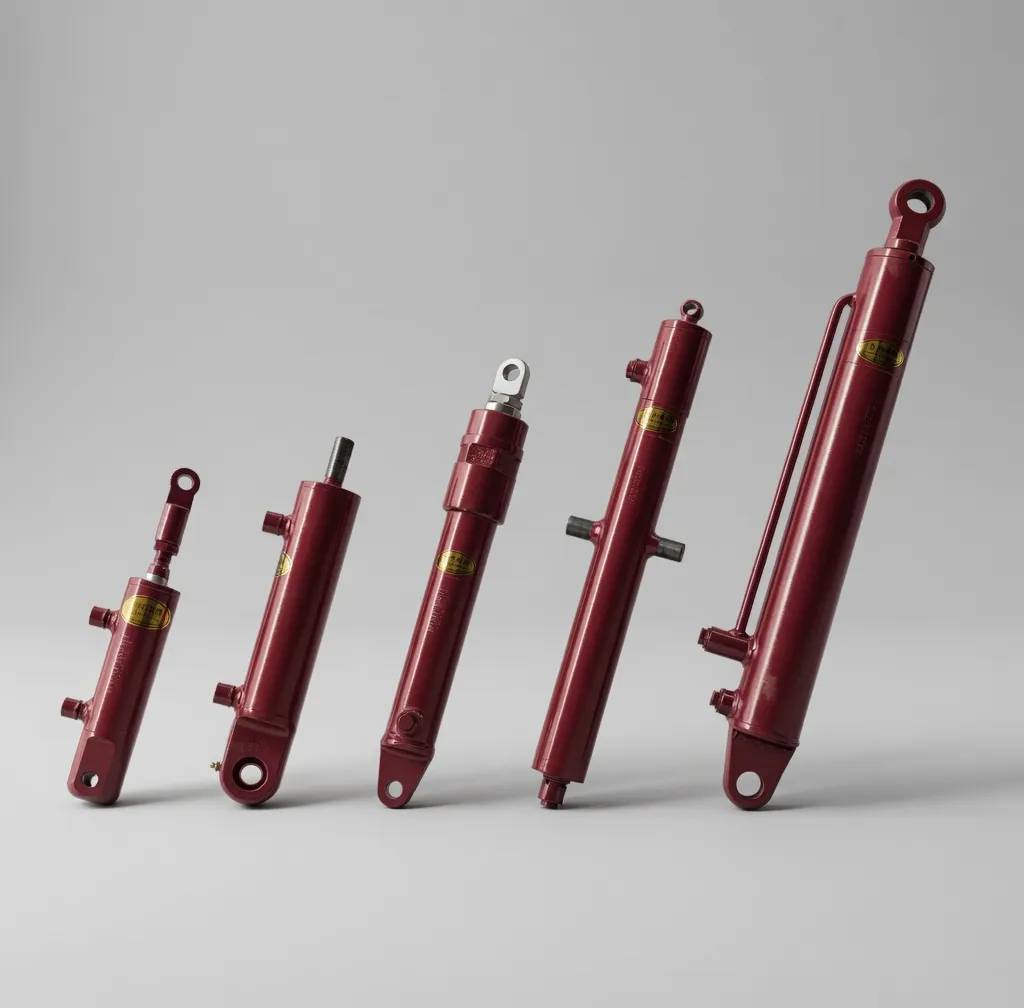
Test 1 — Visual External Leak Test (First Step Always)
The external leak test is always the first step because it is non-invasive, requires no special equipment, and identifies the majority of common cylinder leaks. Perform this test before any hydraulic cylinder replacement or repair decision is made.
Wipe down the entire external surface with a clean cloth. Remove all existing oil film — any oil visible after cleaning is new leakage from the test cycle, not residual from previous operation.
Operate the cylinder through 5–10 full extension and retraction cycles at the normal working pressure and load. This is critical — some leaks only appear under load pressure, not at low pressure.
Check the rod seal zone (base of the rod at the gland), the cap-to-barrel joint, each port fitting, and the barrel external surface. Any oil visible is a confirmed external leak — note its location precisely for the repair decision.
Rod seal zone weeping: rod seal replacement. Cap joint seeping: end cap O-ring replacement. Port fitting seeping: fitting re-torque or O-ring replacement. Barrel surface seeping: structural inspection required.
Test 2 — Internal Piston Bypass Test (No Disassembly Required)
The internal bypass test identifies piston seal failure — where oil passes across the piston seal from the high-pressure side to the low-pressure side. This test produces no external oil even when the piston seal is significantly degraded, which is why it must be performed separately from the external leak test.
Load the cylinder to at least 50% of its working load. For a lifting cylinder, keep the lifted load in place. For a clamping cylinder, maintain the clamping force.
With the cylinder loaded, shut down the hydraulic system and disconnect both hydraulic lines from the cylinder ports. Install clean port caps or plugs immediately. The cylinder is now hydraulically isolated — any subsequent position change is caused by internal bypass, not external leakage.
Mark the rod position at the gland face with a paint marker or masking tape. This provides a precise reference for measuring drift.
Leave the cylinder loaded and isolated for 10 minutes. Measure the rod position at 2-minute intervals. A drift rate greater than 2 mm/minute indicates significant piston seal bypass. Less than 0.5 mm over 10 minutes is within acceptable limits for standard single acting cylinders.
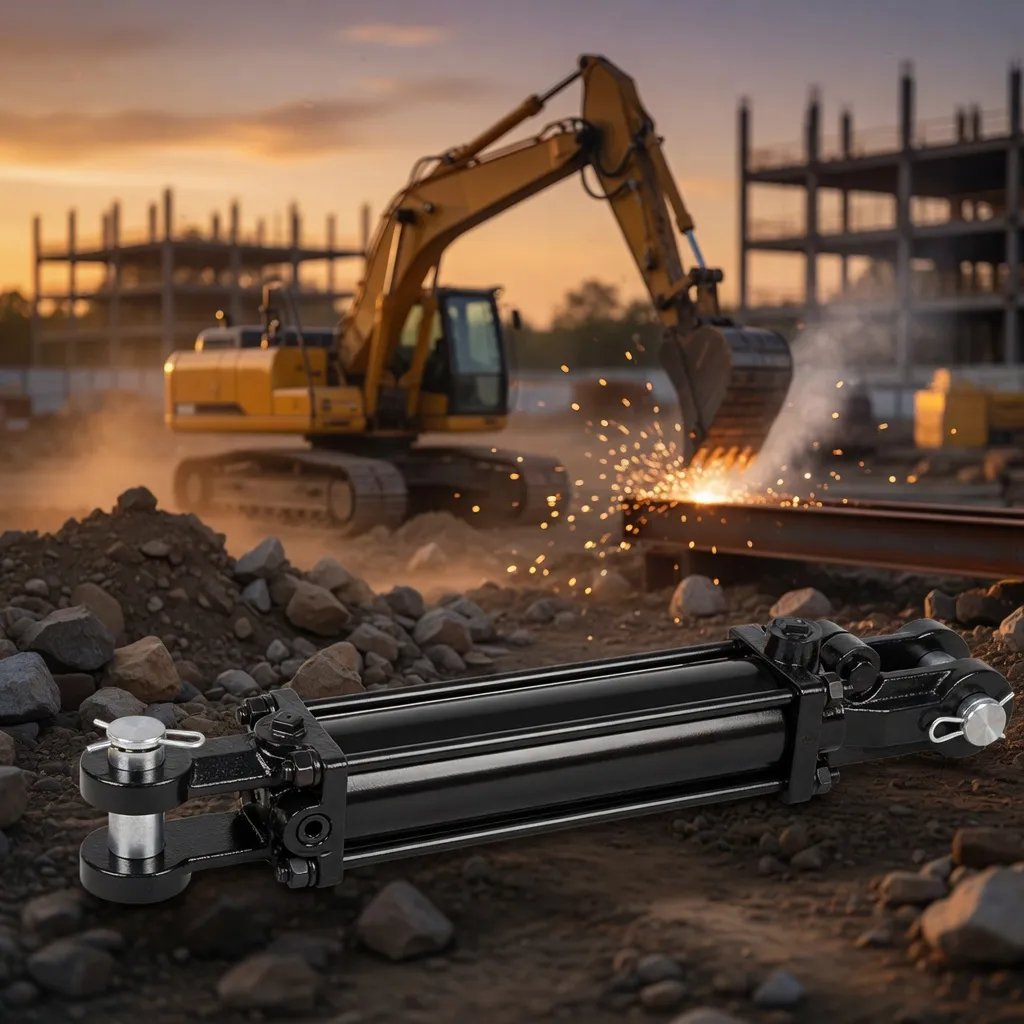
Test 3 — Formal Pressure Test (Post-Rebuild or Certification)
A formal pressure test at 1.5× rated working pressure is mandatory after every cylinder rebuild and before installation in safety-critical applications. This test confirms that all seal replacements, O-ring replacements, and end cap torquing have been performed correctly.
| Pressure Test Parameter | Standard Requirement | Notes |
|---|---|---|
| Test pressure | 1.5× rated working pressure | E.g., 20 MPa rated → test at 30 MPa |
| Hold time | 5 minutes minimum | With pump isolated from cylinder during hold |
| Acceptance criteria | Zero external leakage; zero rod movement | Any weeping or movement is a fail |
| Cap-end and rod-end tested separately | Yes for double acting cylinders | Test each chamber independently |
| Documentation | Record: test date, test pressure, hold time, result | Required for certification and warranty |
For post-rebuild pressure testing of cylinders where a calibrated test rig is not available in the workshop, Ever-Power provides pressure test certification as part of the rebuild service. All cylinders manufactured or rebuilt by Ever-Power are individually pressure tested to 1.5× rated working pressure before despatch, with test certificates issued on request. Contact the technical team for pressure test certification requirements on specific cylinder models and pressure ratings.
Request a Free Specification Review
Send your application details to [email protected] or call +86-571-88220653. Our engineers respond within 24 hours.