
A hydraulic ram and a hydraulic cylinder are related but technically distinct designs. In the most precise engineering usage, a hydraulic ram is a plunger-type actuator where a solid steel plunger rod slides through a single seal at one end of the cylinder body — with no internal piston. A hydraulic cylinder has an internal piston sealed inside the barrel, with a smaller-diameter rod attached to the piston. In everyday commercial and agricultural use across the UK, the term hydraulic ram is used broadly to mean any single acting hydraulic cylinder, and the two terms are treated as interchangeable in most practical contexts.
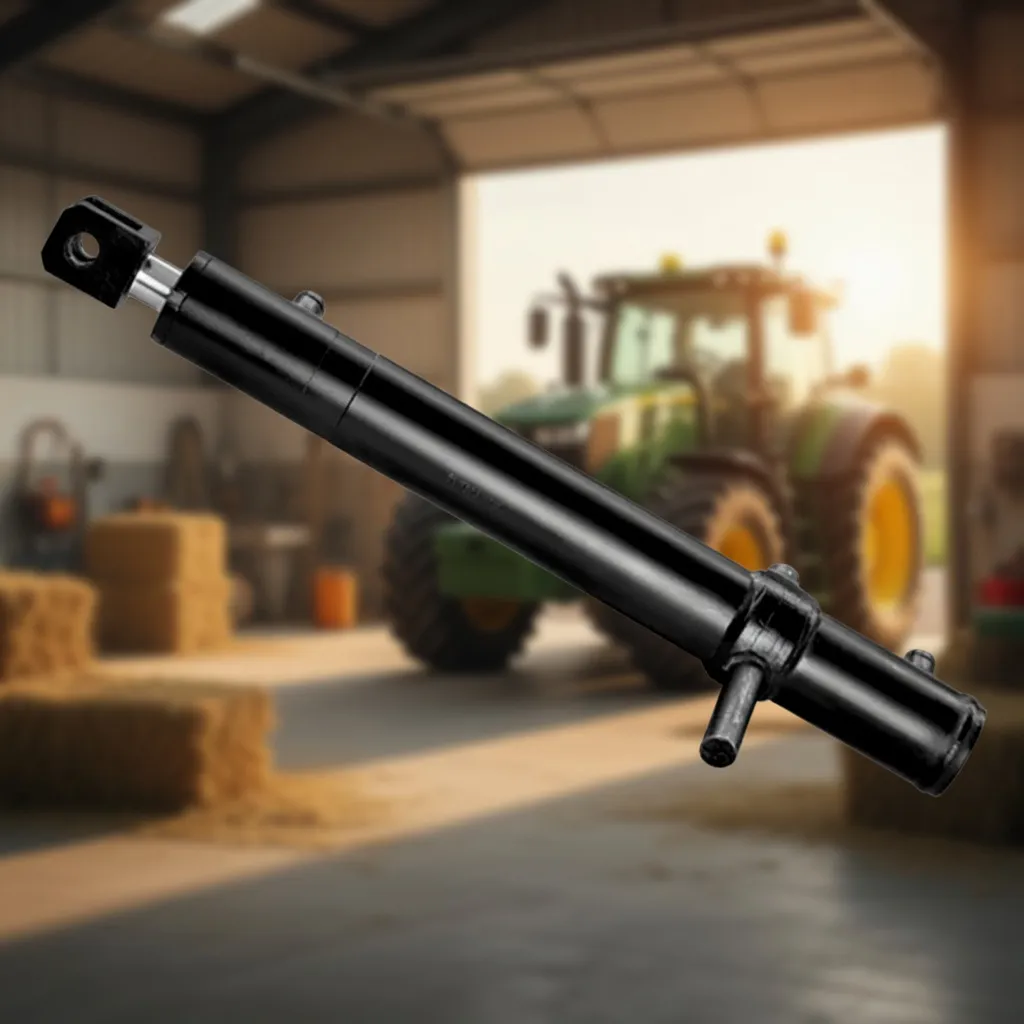
How a True Hydraulic Ram Works
In a true plunger-type hydraulic ram, the moving element is a solid steel plunger rod that fits closely inside the cylinder body bore. The hydraulic port is at the closed cap end. When pressurised oil enters the cap end, it acts on the full cross-sectional area of the plunger end face, pushing the plunger out of the bore. The only seal is at the gland where the plunger exits the cylinder body — a single seal zone. There is no internal piston, no rod-end port, and no rod-end seal. Retraction is by gravity or by the load weight — the plunger does not have hydraulic retraction capability in the basic design.
The force produced by a hydraulic ram is: Force (N) = Pressure (Pa) × Plunger Area (m²), where Plunger Area = π × (plunger diameter ÷ 2)². Unlike a piston-cylinder where the rod is smaller than the bore, in a hydraulic ram the plunger diameter determines both the force output and the structural stiffness — a large plunger provides both high force and high column buckling resistance.
Technical Differences: Ram vs Cylinder Side by Side
| Feature | Hydraulic Ram (Plunger) | Hydraulic Cylinder (Piston-Rod) |
|---|---|---|
| Internal piston | None — solid plunger only | Yes — piston sealed inside bore |
| Force-producing area | Full plunger cross-section | Bore area (extension) or annular area (retraction) |
| Seal zones | One — gland seal only | Two — rod seal + piston seal |
| Double acting operation | Not possible in basic design | Yes — standard for piston-rod design |
| Rod/plunger buckling resistance | High — solid plunger, large diameter | Lower — rod smaller than bore |
| Typical stroke | Short — 50–300 mm | Short to long — 50 mm to several metres |
| Typical applications | Jacks, presses, bolt tensioners | Full range from light to heavy duty |
| Collapse height | More compact for same force | Less compact — piston and gland add length |
When the Terms Are Used Interchangeably
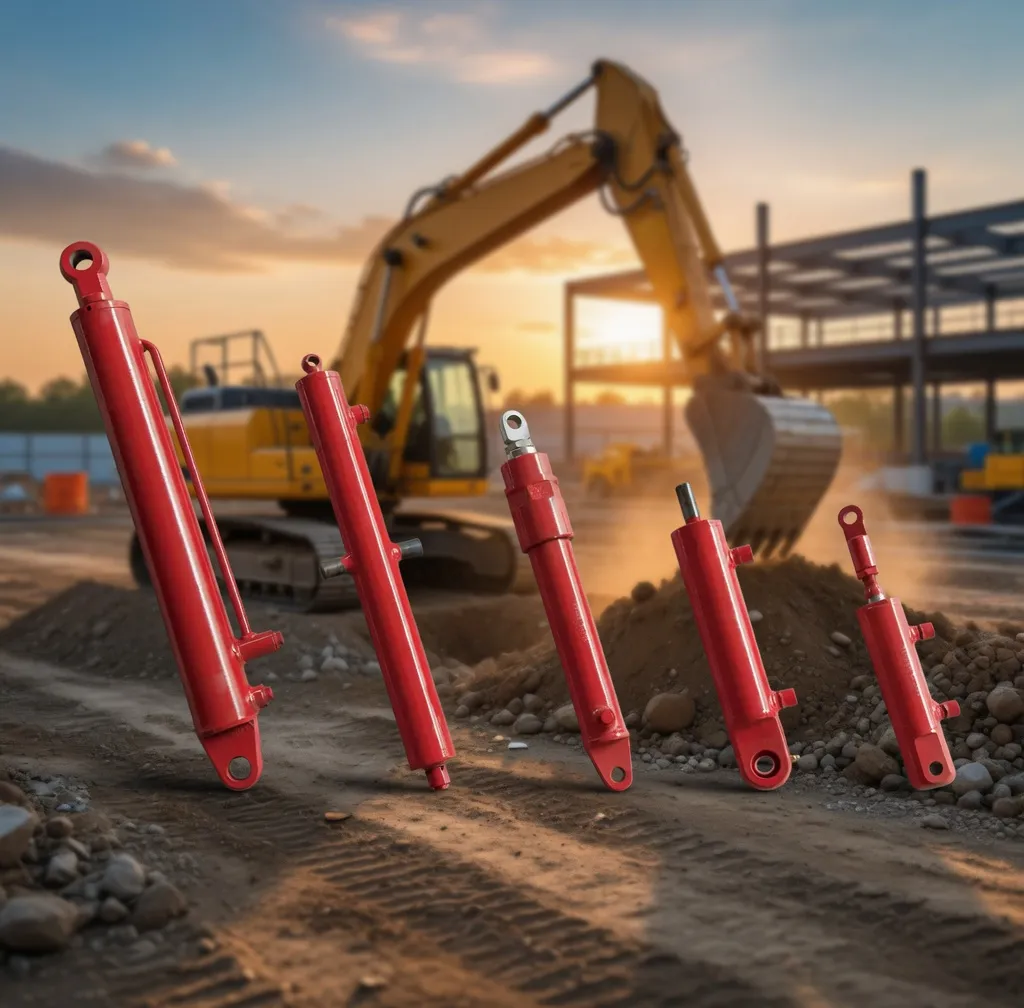
In UK agricultural machinery, construction plant, and general industrial use, hydraulic ram is the common term for any single acting hydraulic cylinder — regardless of whether it uses a true plunger design or a piston-and-rod design. A tractor three-point hitch cylinder is routinely called a hydraulic ram even though it uses a conventional piston-and-rod construction. This loose usage is deeply embedded in the industry and causes no practical confusion among experienced users who understand the context.
When specifying a replacement or custom unit, however, use the technically precise description: specify bore diameter, rod diameter, stroke, mounting configuration, and whether a true plunger design (one seal, solid plunger) or a conventional piston-rod design is required. Contact Ever-Power with your application details — the team will confirm which design is appropriate and provide specifications for both options where a choice exists.
Request a Free Specification Review
Send your application details to [email protected] or call +86-571-88220653. Our engineers respond within 24 hours.