Choosing between a single acting and a double acting hydraulic cylinder is one of the earliest and most consequential decisions in any hydraulic system design. The wrong choice costs money twice — once in hardware more complex than needed, or once in a system that cannot do the job it was designed for. This guide cuts through the confusion with a direct comparison across the criteria that actually matter: function, circuit complexity, cost, maintenance, and application suitability.
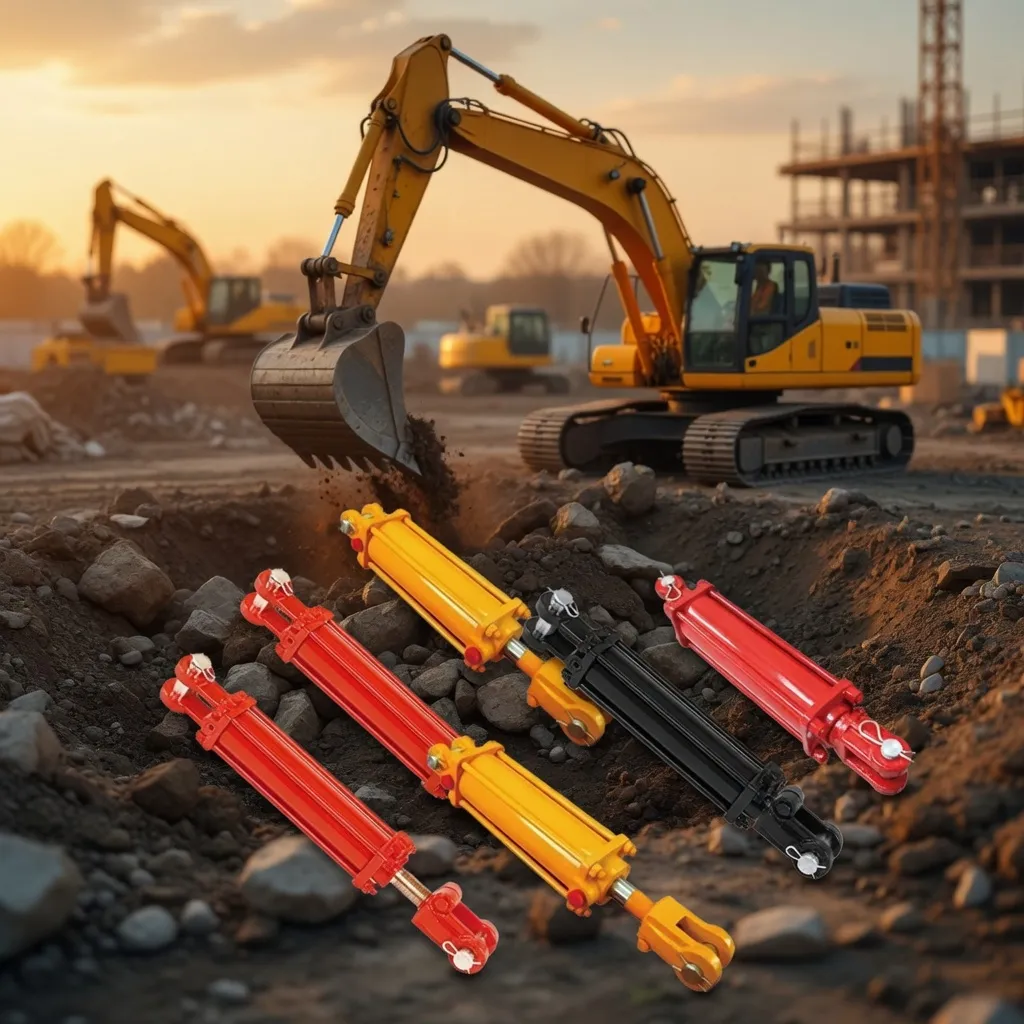
How Each Type Works
Single Acting Hydraulic Cylinder
A single acting cylinder receives hydraulic pressure on one side of the piston only — typically the cap end, pushing the rod out. Retraction is accomplished by an external force: the weight of the load (gravity return), a compressed spring inside the cylinder (spring return), or the mechanical linkage of the machine. The circuit needs only one hydraulic line and a simple 2-way control valve.
Double Acting Hydraulic Cylinder
A double acting cylinder has hydraulic ports at both the cap end and rod end. Hydraulic pressure can be directed to either side, producing powered extension and powered retraction. The circuit requires two hydraulic lines, a 4/3 directional control valve, and a return path from the non-pressurised side back to the reservoir.
Side-by-Side Comparison Across Key Criteria
| Criterion | Single Acting | Double Acting |
|---|---|---|
| Hydraulic lines required | 1 | 2 |
| Control valve complexity | 2-way or simple 3-way | 4/3 directional control valve |
| Retraction mechanism | Spring, gravity, or load | Hydraulic pressure |
| Force on retraction | Limited by spring or gravity | Full hydraulic force available |
| Speed control on retraction | Gravity-dependent or fixed by spring | Fully adjustable via flow control |
| Cost (cylinder) | Lower | Higher |
| Cost (circuit total) | Lower | Higher |
| Maintenance complexity | Lower — one seal zone | Higher — two seal zones and two lines |
| Horizontal mounting | Only with spring return | Fully supported |
| Best applications | Lifting, pressing, clamping, log splitting | Excavators, loaders, steering, two-way presses |
When Single Acting Is the Right Choice
Lifting Applications
When the load provides gravity return — grain tank raising, scissor lift platforms, dump bed tipping — single acting is the natural and cost-effective choice.
Log Splitters
The splitting wedge requires force only on extension. A spring or the log’s resistance returns the ram. Single acting is industry standard for log splitters.
Clamping and Pressing
Workpiece clamps need hold force in one direction only. A spring return single acting cylinder applies clamping force and springs open when pressure is released.
Dump Truck Tipper Gear
Multi-stage telescopic single acting cylinders are standard for dump truck tipping worldwide. Body weight provides reliable gravity return after discharge.
When Double Acting Is the Right Choice
Excavator Arms
Boom, arm, and bucket cylinders must generate force in both directions to dig and dump against resistance. Double acting is the only viable option.
Loader Buckets
Curling a full bucket and dumping against a pile requires active hydraulic force in both stroke directions.
Horizontal Actuators
Where gravity cannot contribute to retraction, double acting provides consistent return force regardless of orientation.
Precision Position Control
Applications requiring precise intermediate position holding in both directions need the bidirectional force that double acting provides.
The Spring Return Single Acting: Bridging Both Worlds
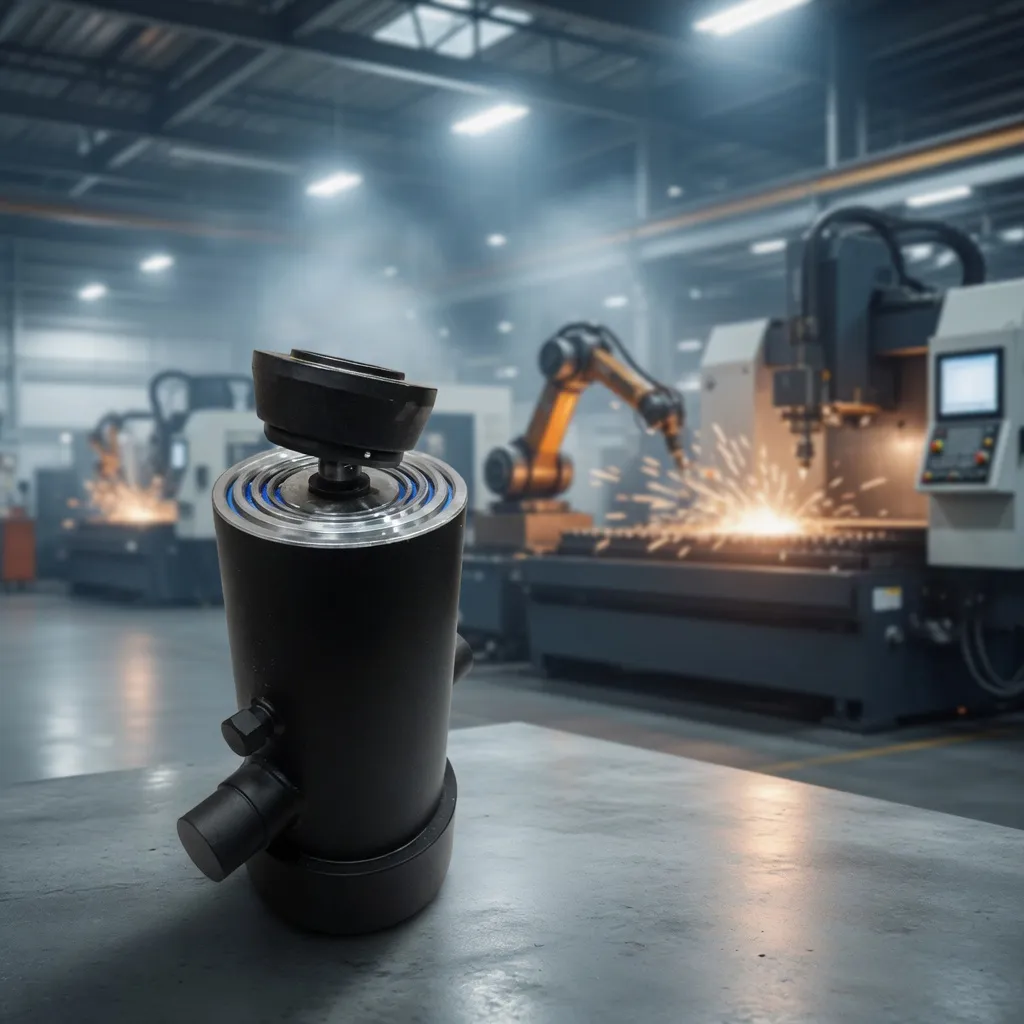
The spring return single acting cylinder incorporates a return spring inside the barrel, making horizontal and inverted mounting practical without a second hydraulic line. Spring rate selection is critical — the spring must overcome all friction and external resistance on retraction, but must not be so strong that it requires excessive hydraulic pressure to extend against it. Ever-Power welded hydraulic cylinders are available in spring return configurations with custom spring rates matched to application load requirements.
Request a Free Specification Review
Send your application details to [email protected] or call +86-571-88220653. Our engineers respond within 24 hours.