
Hydraulic cylinder noise is one of the most informative diagnostic signals in a hydraulic system — each type of noise points to a specific cause with a specific fix. The rattling crack of cavitation, the bang of hydraulic hammer at end of stroke, the squeal of stick-slip seals, and the knock of a loose mounting are all distinct. Correctly identifying the hydraulic cylinder noise type narrows the diagnosis immediately and avoids unnecessary disassembly of components that are not causing the problem.
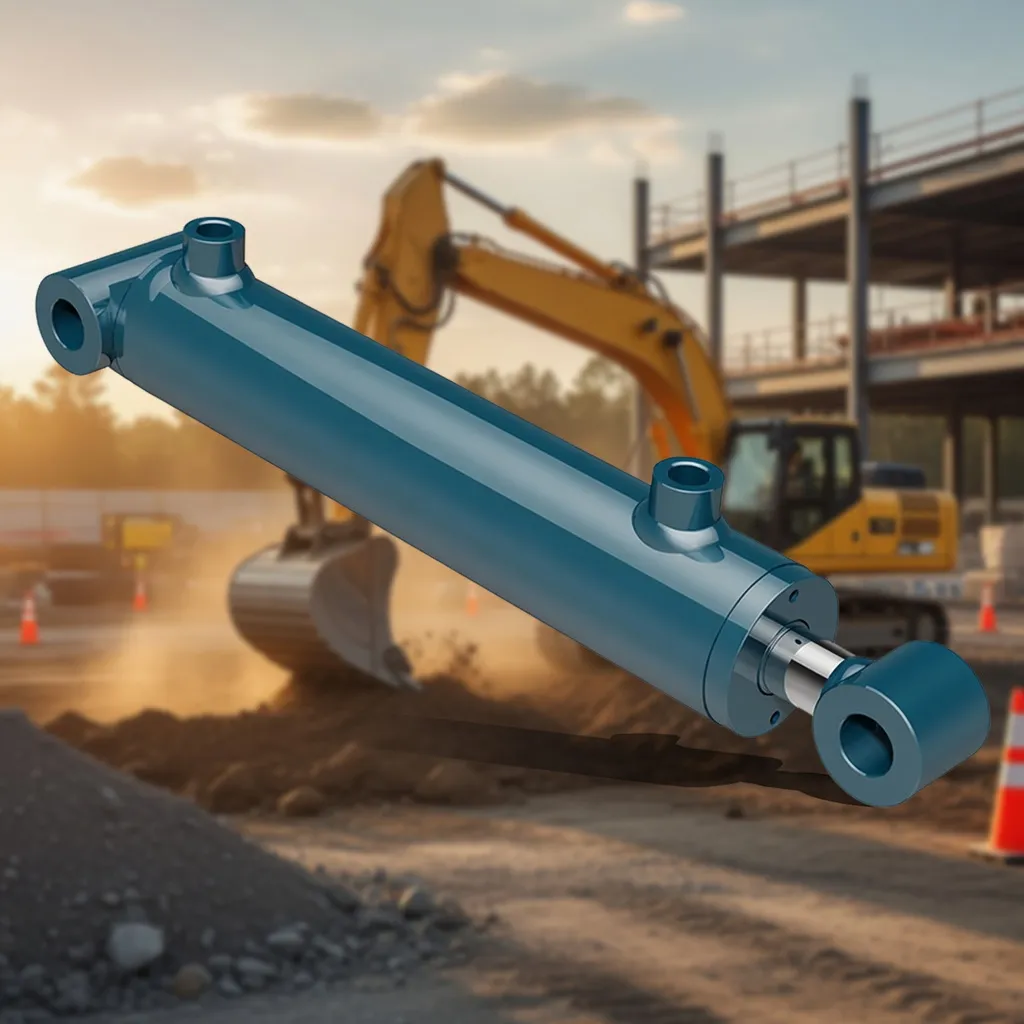
Noise Type 1 — Cavitation: Rattling or Crackling
Cavitation is the most damaging hydraulic cylinder noise. The rattling or crackling sound is produced by the violent collapse of oil vapour bubbles — a process that generates localised pressure spikes of 1,000–10,000 bar within the fluid. These pressure spikes erode metal surfaces, destroy seals, and pock the barrel bore and piston surface within hours of onset. Cavitation noise in a hydraulic cylinder is always a condition requiring immediate investigation — it does not resolve on its own.
The most common cause is pump inlet starvation: a clogged suction filter, an undersized suction line, or low oil level causing the pump to draw a partial vacuum in the suction line. On the cylinder side, extending the rod faster than the pump can supply oil creates a low-pressure region on the cap-end side. Diagnose by measuring inlet vacuum at the pump suction port — more than 0.3 bar vacuum indicates suction restriction. Clean the suction filter and check the oil level before any other action.
Noise Type 2 — Aeration: Gurgling or Spongy Sound
Aerated hydraulic oil produces a gurgling, bubbling noise from the cylinder, combined with spongy, inconsistent extension feel. Unlike cavitation — which occurs when oil flashes to vapour under low pressure — aeration is caused by air physically mixed into the oil from a leak in the suction line, a low reservoir oil level, or a poorly designed reservoir that allows return oil to splash and entrain air. Aerated oil appears milky or foamy in the reservoir sight glass.
Fix aeration by identifying and sealing the air ingress point: check all suction line fittings, check the shaft seal on the pump if accessible, and confirm the reservoir oil level is above the minimum mark. Bleed the cylinder by cycling it slowly at low pressure 8–10 times to purge entrained air through the directional valve return port. If the oil remains milky after 30 minutes of operation, water contamination rather than aeration may be the cause — sample the oil for water content analysis.
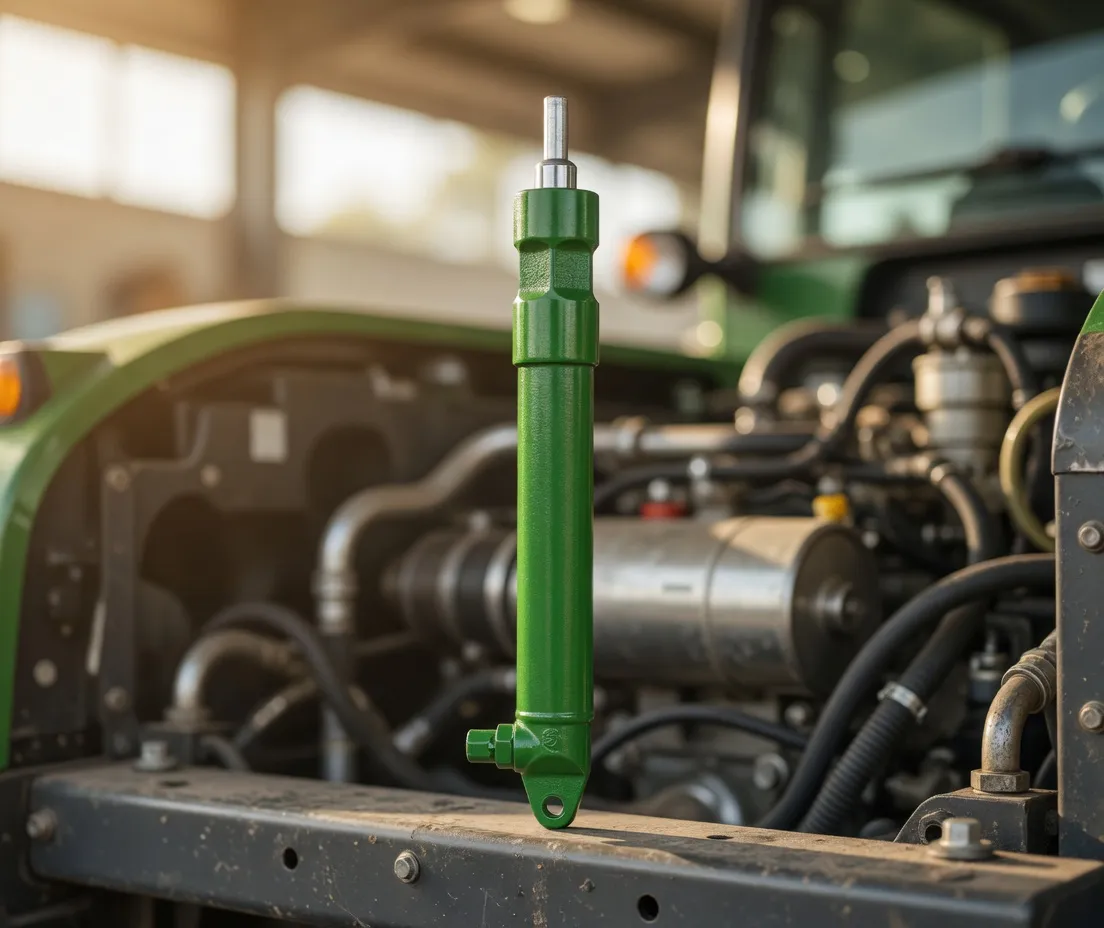
Noise Type 3 — Hydraulic Hammer: Bang at End of Stroke
The loud bang at the end of the cylinder stroke is hydraulic hammer — the piston impacting the end cap at full extension or retraction speed. Each impact is accompanied by a pressure spike that propagates through the entire hydraulic circuit. Over hundreds of cycles, the cumulative effect is: cracked or deformed end caps, seal extrusion from pressure spikes above the rated working pressure, fatigue cracking in hydraulic hoses and fittings, and loosening of all bolted connections in the circuit.
| Hydraulic Hammer Severity | Rod Speed | Recommended Action |
|---|---|---|
| Mild — light thud | < 100 mm/s | Monitor; reduce speed or add deceleration valve |
| Moderate — noticeable bang | 100–300 mm/s | Add cushioning or deceleration valve — do not ignore |
| Severe — loud impact, system shudder | > 300 mm/s | Immediate action — cushioned cylinder or speed reduction required |
Noise Type 4 — Seal Squeal and Stick-Slip
Seal squeal is a high-pitched squeaking or chirping noise produced as the rod moves through the gland seal. It is caused by stick-slip — the seal lip grips the rod surface momentarily, the rod stretches the seal slightly, then releases with an audible pop. This cycle repeats at high frequency, producing the characteristic squeal. Stick-slip occurs when the coefficient of friction between the seal lip and rod surface is too high — caused by a rod surface that is too smooth (below Ra 0.1 μm) or too dry (insufficient oil film).
In most cases, seal squeal resolves by applying a small amount of clean hydraulic oil to the exposed rod surface before operating. If the squeal continues, inspect the rod surface finish and the seal lip condition. A hardened seal compound that has lost its elastic properties produces persistent stick-slip that does not improve with lubrication — the seal compound must be replaced with a fresh seal kit. Contact Ever-Power for the correct seal kit specification for your cylinder model.
Noise Type 5 — Mechanical Knock from Loose Mounting
A knocking or clunking sound that coincides with direction changes or load reversals is almost always caused by loose mounting hardware rather than the cylinder itself. Pin-to-clevis clearance that has opened up through bushing wear, loose tie rod nuts on tie rod cylinders, or mounting bolts that have backed off under vibration all produce mechanical knock as the cylinder shifts in its mount. Check and re-torque all mounting fasteners. Measure pin-to-bushing clearance — replace bushings if clearance exceeds 0.3 mm.
Request a Free Specification Review
Send your application details to [email protected] or call +86-571-88220653. Our engineers respond within 24 hours.