Description
Distance Adjustment Hydraulic Cylinder — Sideshift and Positioning
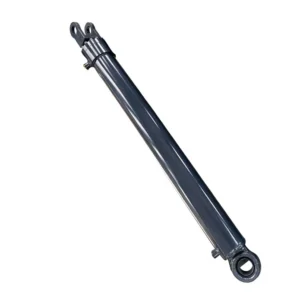
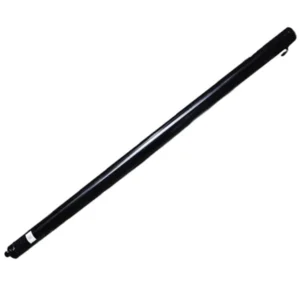
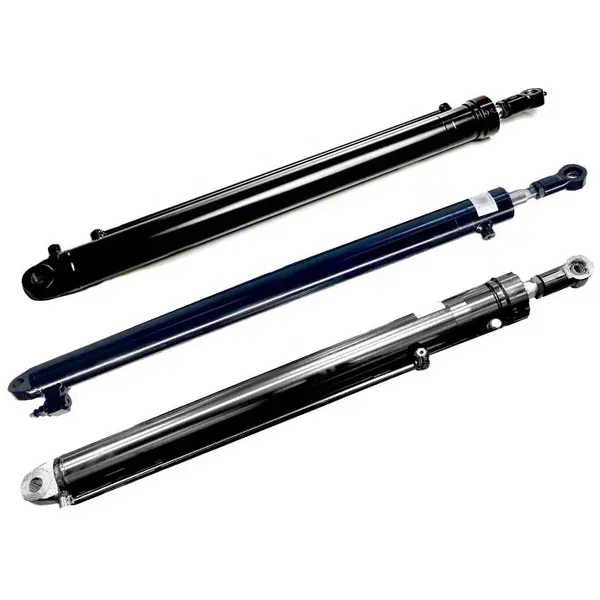
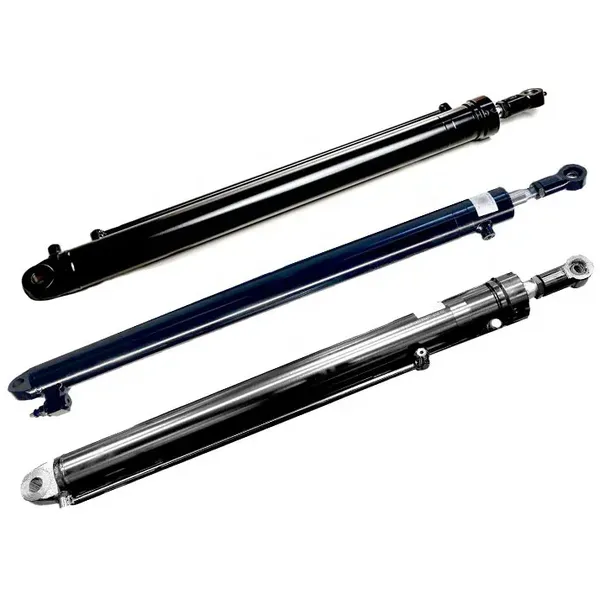
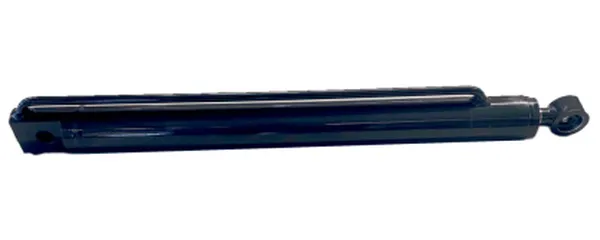
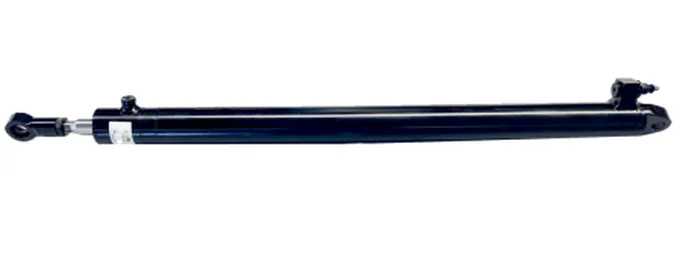
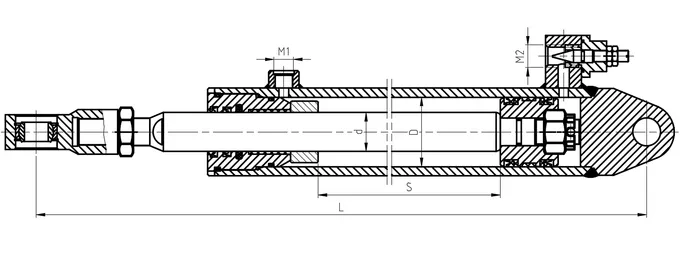
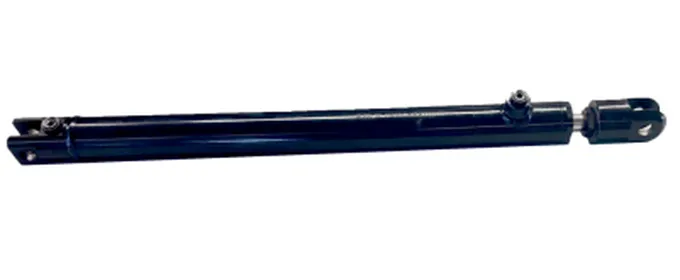
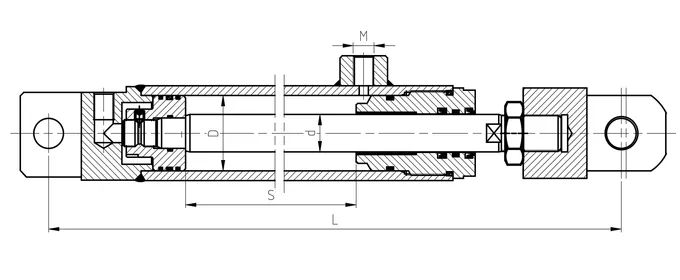
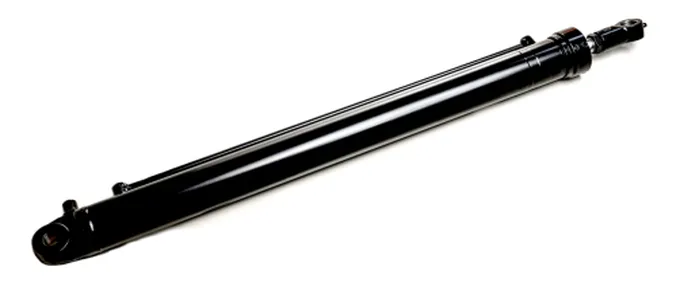
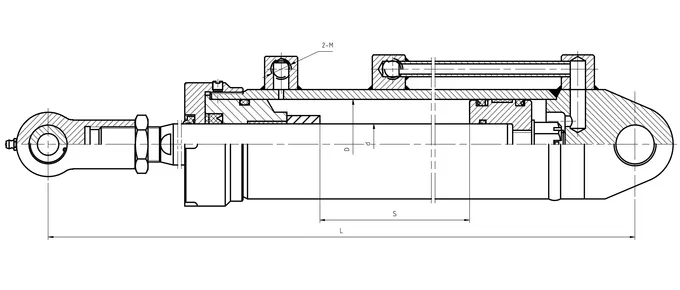
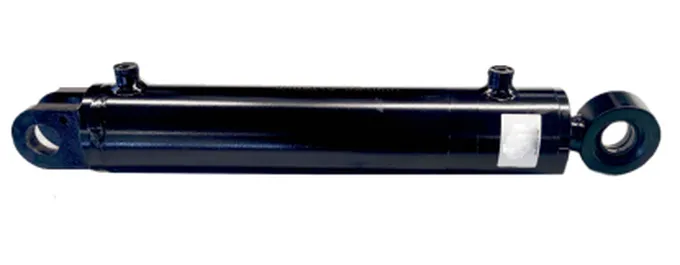
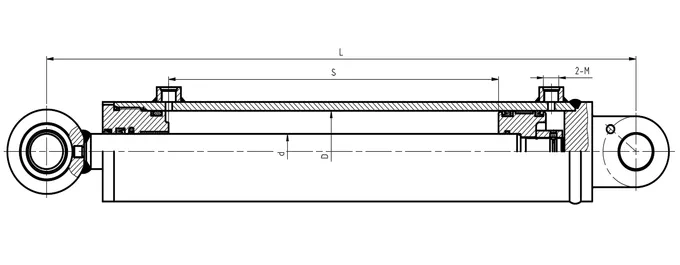
The distance adjustment cylinder enables lateral sideshift of the fork carriage or the positioning of multi-function attachment arms. This double-acting hydraulic cylinder handles an unusually high cycle count compared to lift and tilt functions — in high-volume pallet handling operations, sideshift actuation occurs with every pallet pick and deposit cycle. Over a full shift, this can mean thousands of actuation cycles. Seal specification, bore finish, and rod chrome thickness are all selected with this high-cycle-count application in mind, rather than optimised purely for pressure-holding capacity.
Technical Specifications
| Parameter | Value | Notes |
|---|---|---|
| Type | Double-acting | Powered movement both directions |
| Application | Sideshift, fork positioner, attachments | High cycle duty |
| Cycle Rating | High-cycle optimised seal | Rated for thousands of cycles per shift |
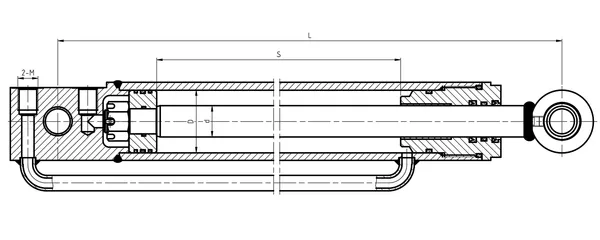
| Construction | Welded body | Compact OD for tight attachment envelope |
| Rod Finish | Hard chrome, heavy build | Resists abrasion from proximity to load |
| Port | Two ports, specify location | Both-end or same-end porting available |
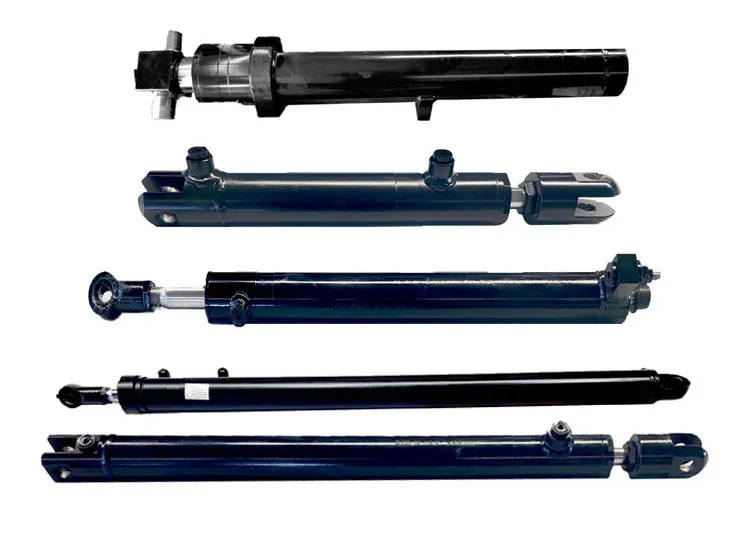
| Custom | Bore, stroke, rod end, ports | Matched to Cascade, Bolzoni, and other attachment brands |
High-Cycle Duty Design Considerations
Seal Compound Selection
High-cycle applications wear seal faces through repetitive friction rather than through pressure alone. The piston seal compound in this cylinder uses a high-abrasion-resistance polyurethane with a controlled shore hardness that maintains seal lip contact pressure without generating excessive heat from friction — a failure mode that accelerates seal degradation at high stroke rates.
Rod Chrome Thickness
In high-cycle attachment applications, the rod is exposed to load proximity, paint chips from pallets, and occasional impact from misaligned pallet entry. A heavier chrome build — specified at 20–30 µm rather than the 10–15 µm standard for low-cycle applications — provides the wear reserve to maintain surface finish integrity across extended service intervals.
Compatible Attachment Types
Left-right fork carriage movement for precise pallet alignment without repositioning the truck.
Adjusts fork spacing to match pallet widths without the operator leaving the truck.
Extends and retracts the push-pull mechanism for slip sheet handling.
Powers the secondary function axis on combination attachments (rotate + sideshift).
Ordering and Cross-Reference
Provide the attachment brand and model (Cascade, Bolzoni, Auramo, etc.), the attachment function (sideshift, fork positioner, push-pull), and if available, the existing cylinder’s bore, rod, stroke, and port configuration. Our team maintains a cross-reference database for major attachment brands and can identify an equivalent specification in most cases from the attachment model number alone.
To request pricing for the distance adjustment cylinder, custom specifications, or an OEM supply assessment, contact Hangzhou Ever-Power Hydraulic Cylinder Co., Ltd. at +86-571-88220653 or [email protected]. Our address is Shenhua Road, Hangzhou. Use the contact form for a response within one business day.