Description
Lift Hydraulic Cylinder for Cart — Industrial Platform and Trolley Applications
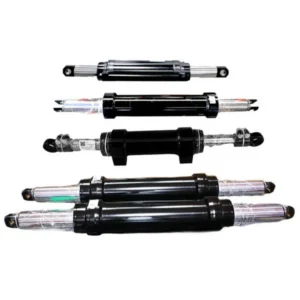
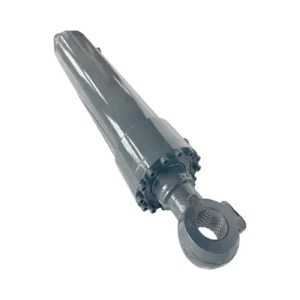
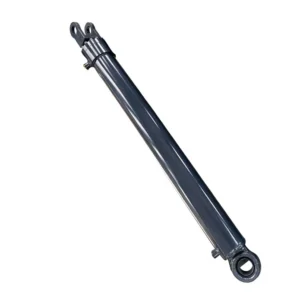
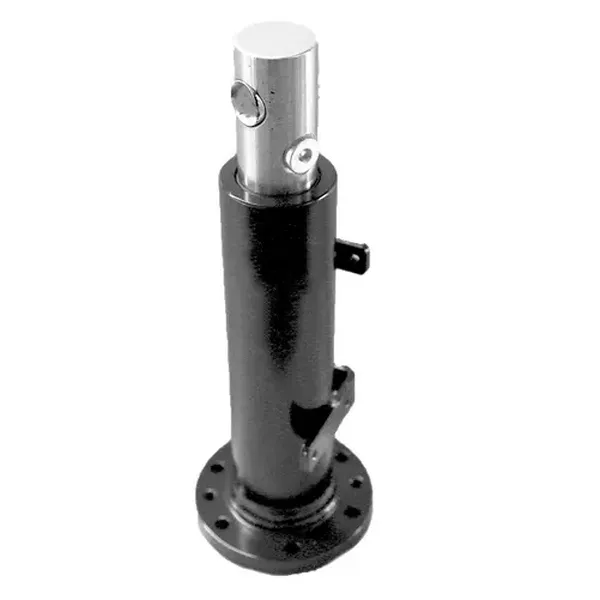
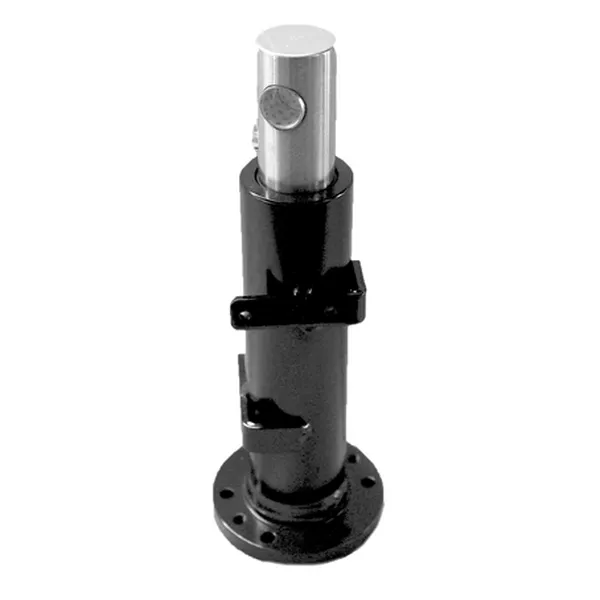
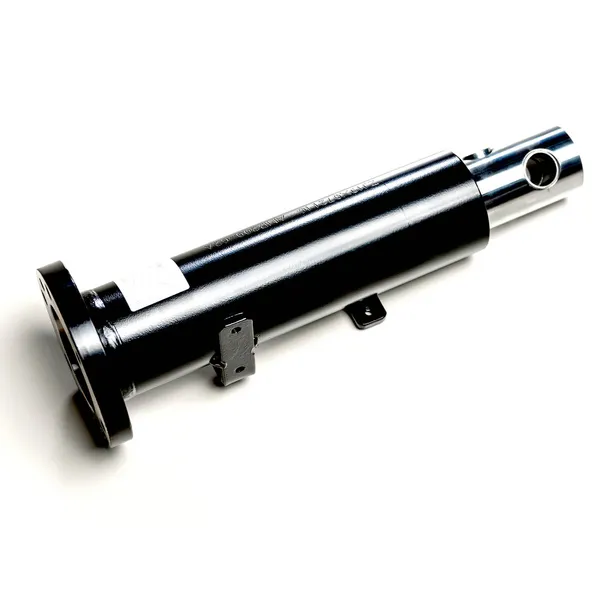
The cart lift hydraulic cylinder serves as the vertical actuator in manual-pump and powered industrial lift carts, platform trolleys, and scissor-deck material handling equipment. Unlike forklift mast cylinders that operate at pressures up to 25 MPa, cart lift cylinders typically work at 10–20 MPa with smaller bore diameters — the load weights in cart applications are lower, but the requirement for smooth, controlled lifting speed and reliable load hold is just as critical. This single-acting hydraulic cylinder extends under pump pressure and retracts under load gravity when the release valve is opened.
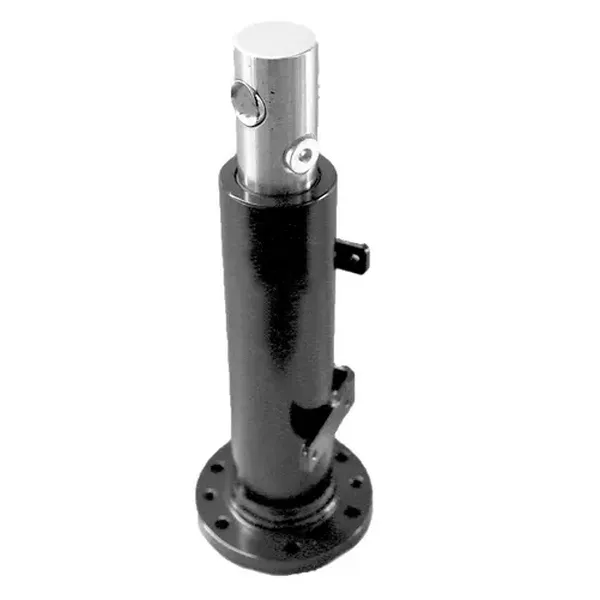
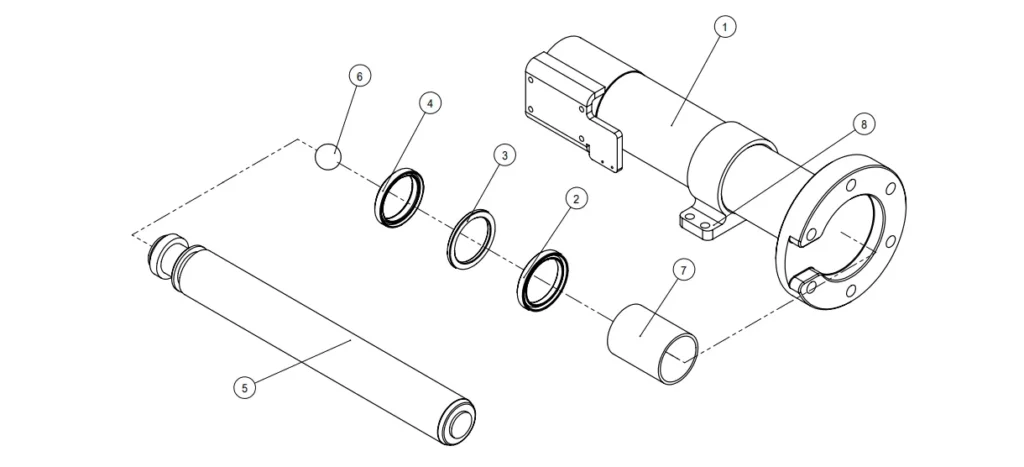
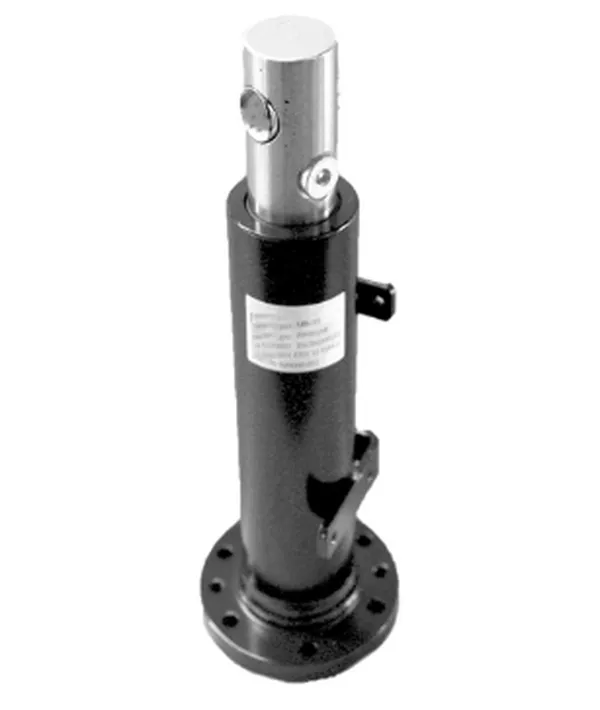
Specifications
| Parameter | Value | Notes |
|---|---|---|
| Type | Single-acting | Manual or powered pump, gravity return |
| Application | Industrial carts, platform lifts, scissor decks | Material handling equipment |
| Pressure Range | 10–20 MPa typical | Specify for manual or powered circuit |
| Rod | Hard chrome, polished finish | Minimises gland seal wear on slow strokes |
| Mounting | Threaded base, foot mount, or clevis | Match to existing cart structure |
| Lowering | External release valve or integral control | Specify application flow requirement |
| Fluid | Mineral hydraulic oil or vegetable-based | Food-safe fluid option available |
Design Priorities: Smooth Extension and Positive Hold
Low-Speed Seal Friction
Cart lift cylinders extend at very low speeds — the operator or electric motor provides limited flow, and the lift cycle may take 5–15 seconds. At such low speeds, seal stick-slip is a significant concern: if static friction in the cylinder is higher than the dynamic friction, the cylinder jerks as it starts to move and then runs ahead of the commanded speed. The seal compound in this cylinder uses a low-static-friction profile that ensures smooth initiation of movement at pressures just above the load-induced back pressure.
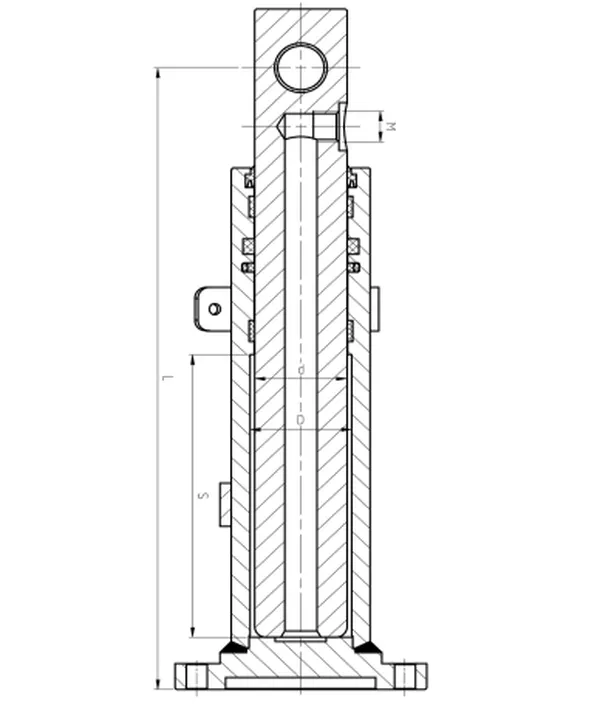
Load Hold Without External Valve
An integral check valve in the cylinder base port prevents load from descending when the manual pump handle is released. The check opens when the release valve is actuated, allowing controlled lowering. This design means the cylinder provides positive load-hold without requiring an additional external valve in the hydraulic circuit — simplifying the cart’s hydraulic system and reducing points of potential leakage.
Performance Highlights
Positive load hold without external valve. Load stays at height when pump handle is released.
Low static friction seal prevents stick-slip during slow, controlled lift cycles.
Vegetable-based hydraulic fluid compatible seals available for food processing and pharmaceutical applications.
Threaded gland accessible with standard strap wrench. Seal kit available separately.
To request pricing for the cart lift cylinder, custom specifications, or an OEM supply assessment, contact Hangzhou Ever-Power Hydraulic Cylinder Co., Ltd. at +86-571-88220653 or [email protected]. Our address is Shenhua Road, Hangzhou. Use the contact form for a response within one business day.